Topic guide · 13 conversations
Higher ed has a blanding problem.
Conversations about enrollment, brand, websites, access, and the institutional habits that make too many colleges sound exactly alike.
Higher education is not short on content. It is short on specificity. When every institution leads with community, belonging, innovation, and academic excellence, students get a wall of perfectly sincere sameness. That is blanding.
The episodes here get past the campaign language. We talk about enrollment pressure, value, access, websites, AI search, and the internal fear that makes bold work hard. Students want to belong. They should not have to decode a hundred interchangeable promises to figure out where.
These are the conversations I return to when a college says it needs more marketing. Sometimes it does. Sometimes the real problem is that the institution has not decided what it is willing to say clearly.
The conversations
Ranked by relevance
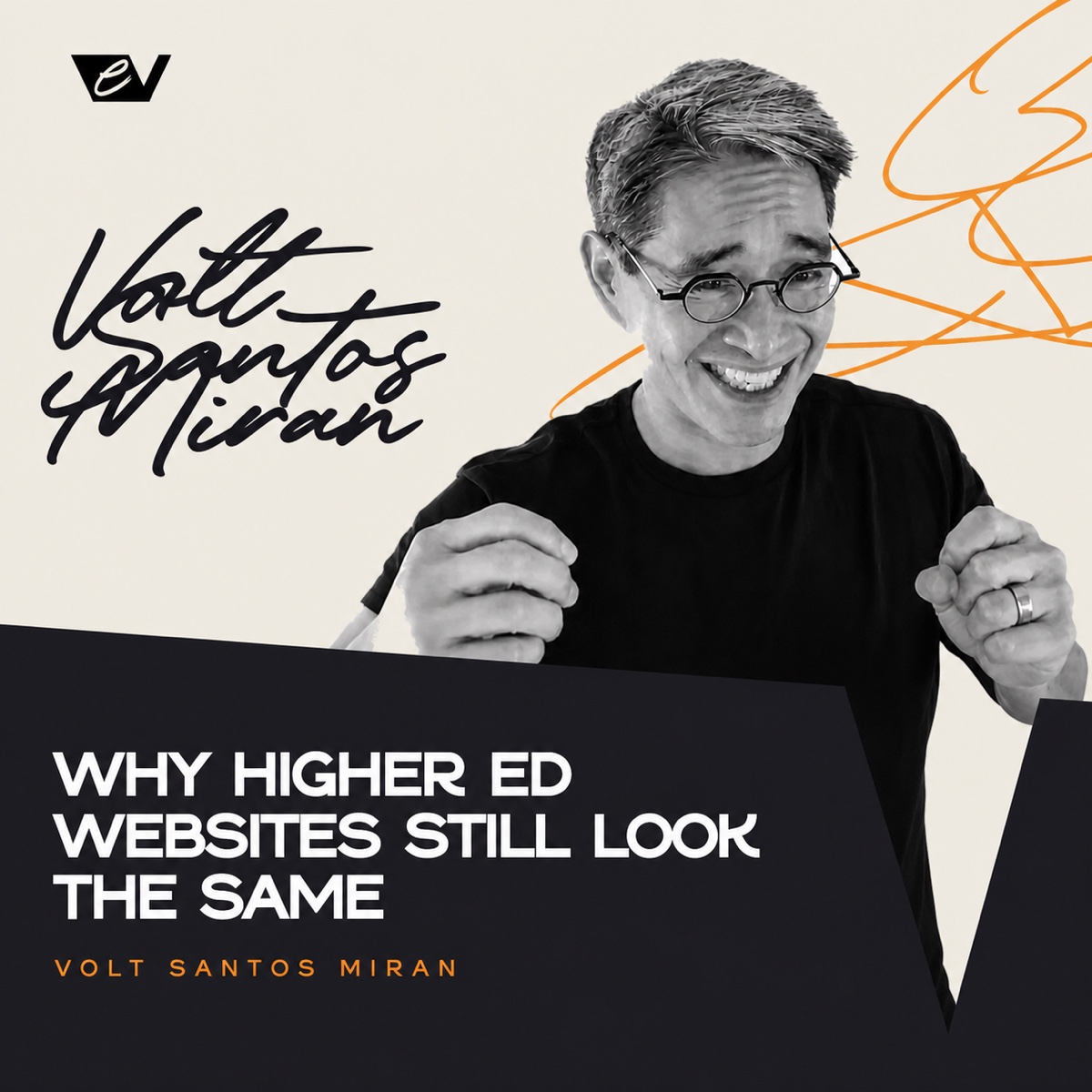
Volt Santos Miran: Why Higher Ed Websites Still Look the Same
EVP, Brand & Web Strategy, Carnegie
Why do higher ed websites still look the same and wrestle with problems that were already familiar when the web was young? Volt Santos Miran joins Tracey to talk about copycat design, underfunded web teams, shared governance, and why the institution should never be the hero of the story.
Episode details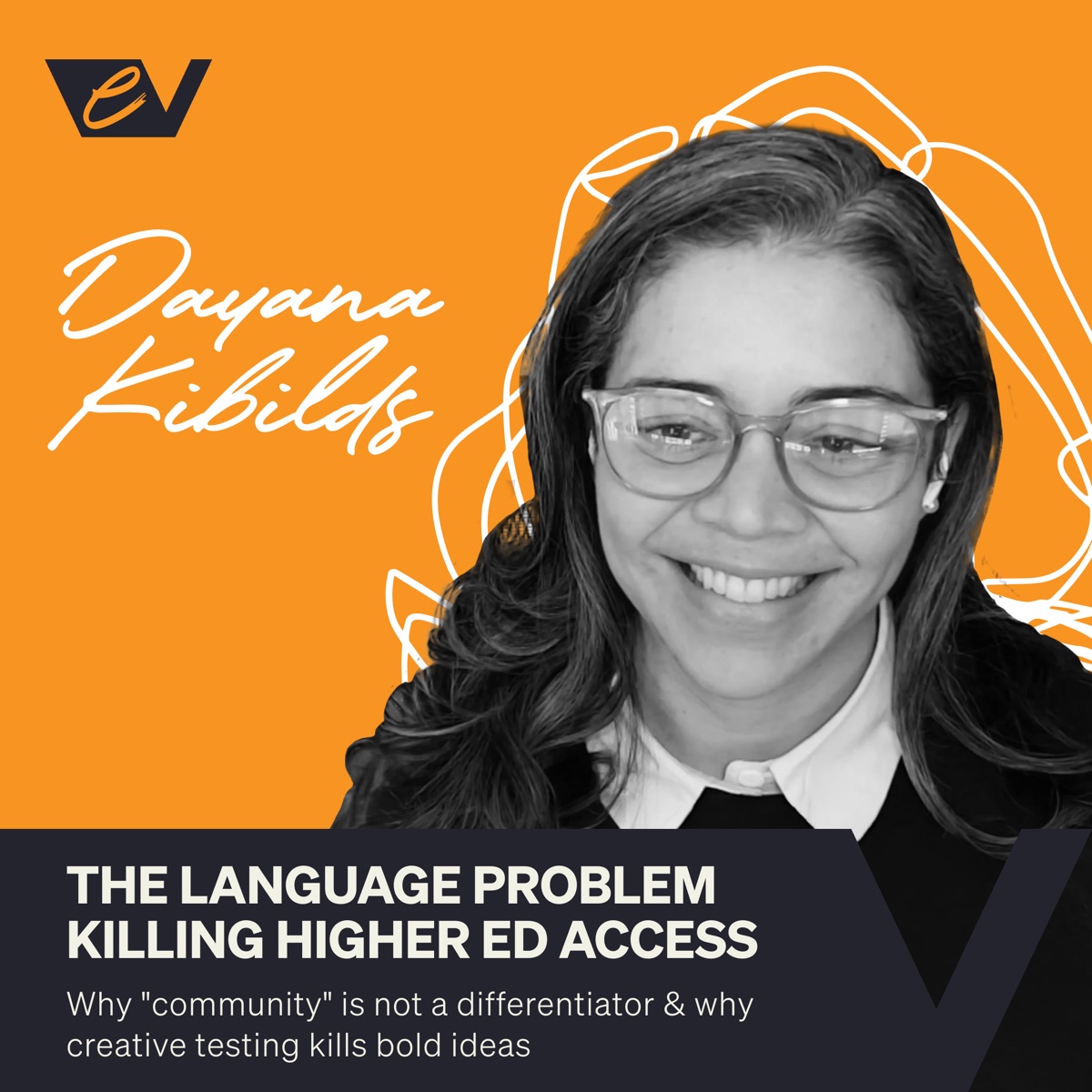
Dayana Kibilds: The Language Problem Killing Higher Ed Access
VP of Strategy, Ologie · Author, Mailed It.
Dayana Kibilds has spent nearly two decades helping colleges and universities find the words to say what they actually mean. Most financial aid pages come back solid red in the Hemingway app. A wall. And then those same schools wonder why first-gen families aren’t finding them.
Episode details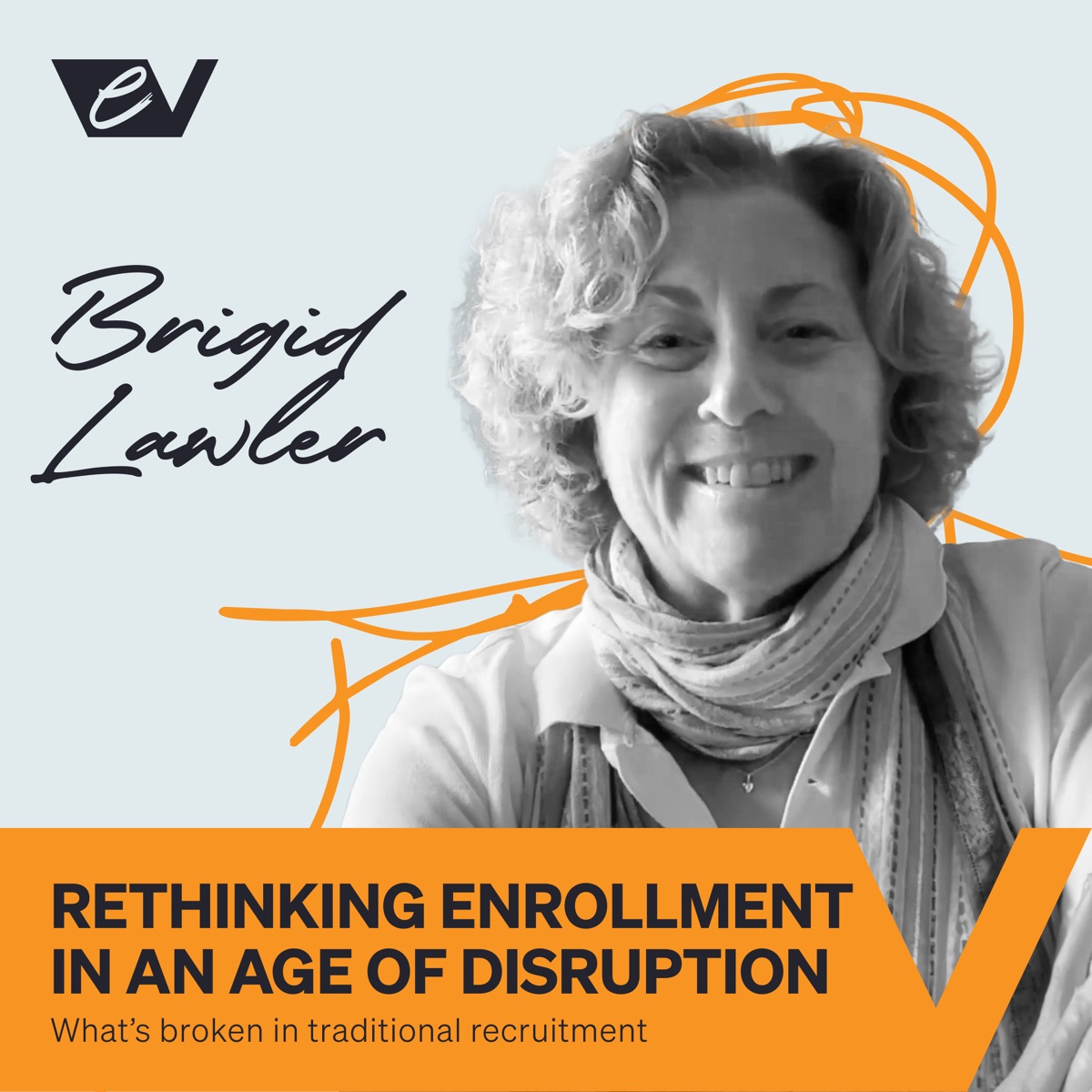
Brigid Lawler: Rethinking Enrollment in an Age of Disruption
Enrollment Strategist · Higher Education Consultant
Enrollment strategist Brigid Lawler joins to ask a heretical question: why the traditional admissions funnel might need to be flipped entirely.
Episode details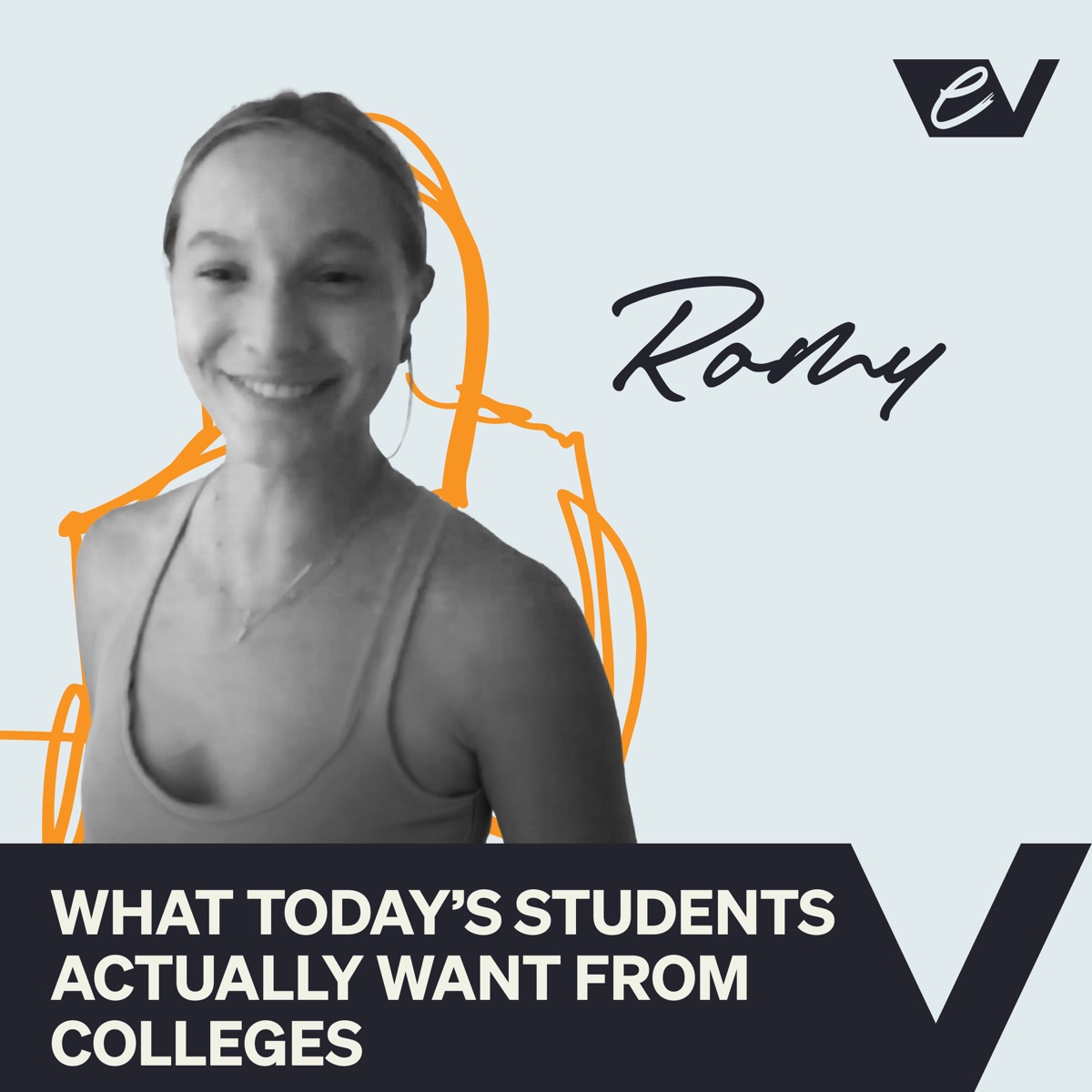
What Today’s Students Actually Want from Colleges
Student · Gen Z Perspective
Tracey’s 17-year-old niece Romy, in the middle of her own college search, brings a Gen Z reality check to everything higher ed marketers think they know.
Episode details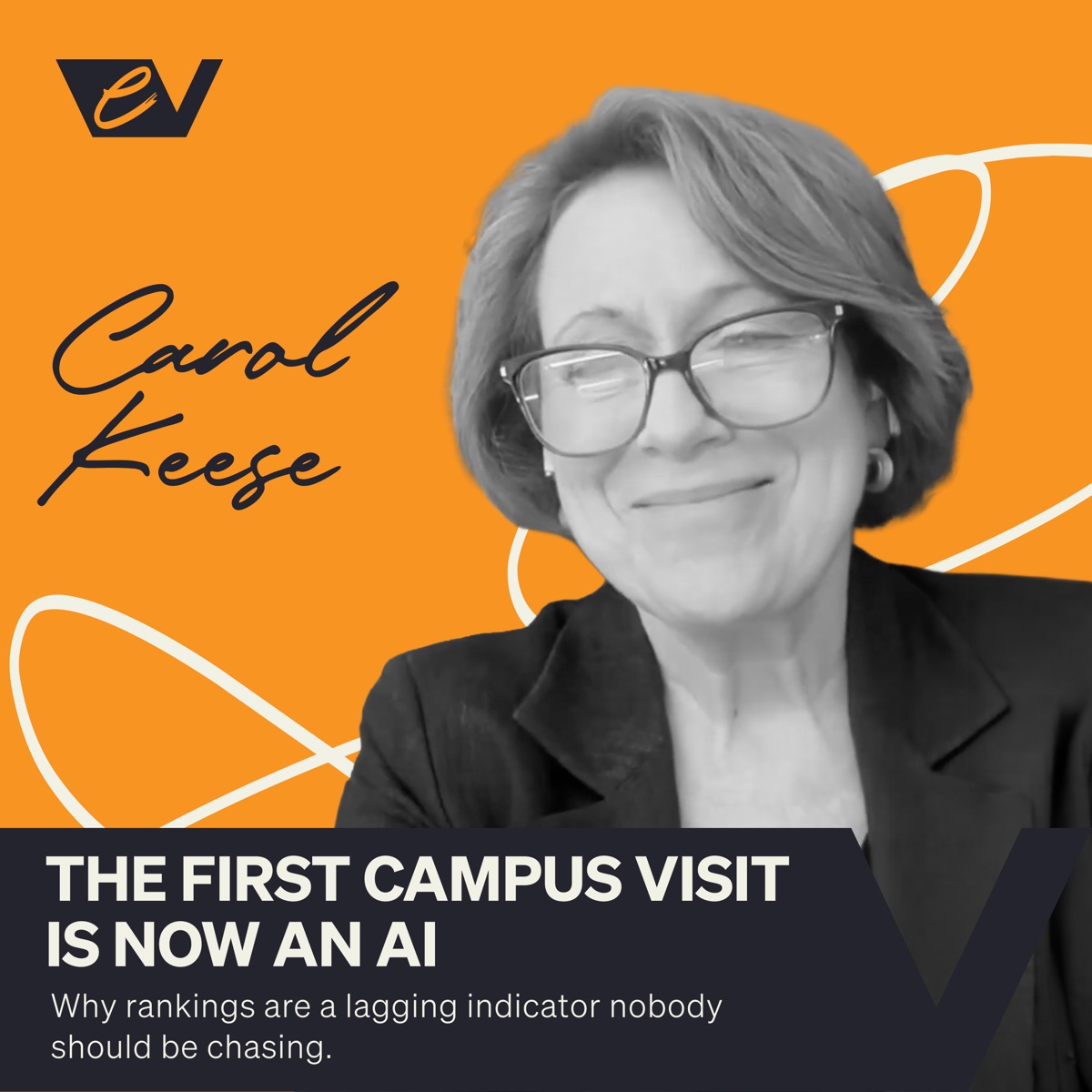
Carol Keese: A CMO Says Marketing Isn’t the Fix
VP for University Communications & CMO, University of Oregon
Higher ed websites all sound the same, look the same, and Carol Keese has a lot to say about that. As VP for University Communications and CMO at the University of Oregon, she argues that when an institution has a substance problem, more marketing isn’t the fix.
Episode details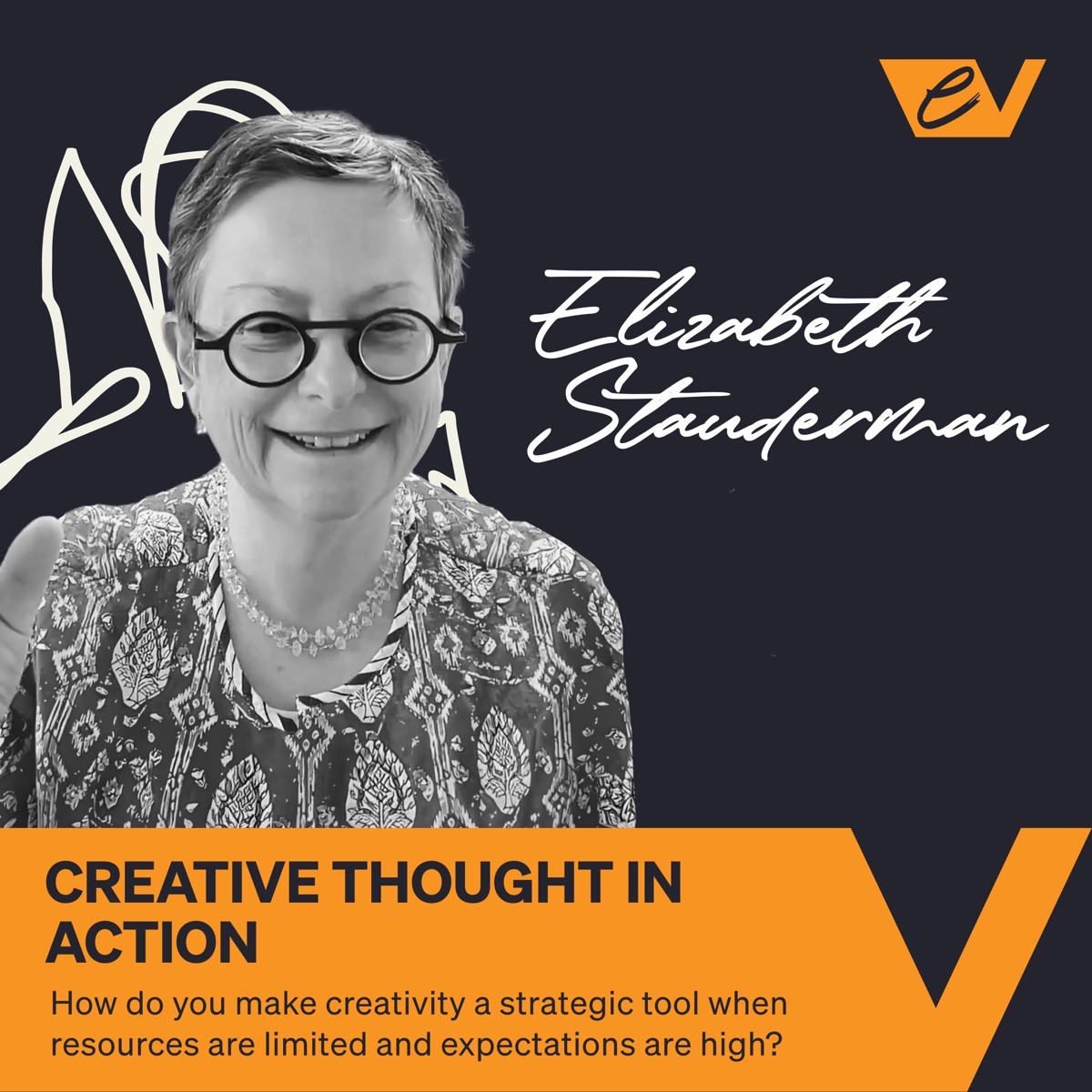
Elizabeth Stauderman: Creative Thought in Action
VP Communications & Marketing, Skidmore College
How do you make creativity a strategic tool, not a luxury, when resources are limited and expectations are high? Elizabeth Stauderman joins to unpack how she brought Skidmore’s motto, Creative Thought Matters, to life through a full web and brand transformation.
Episode details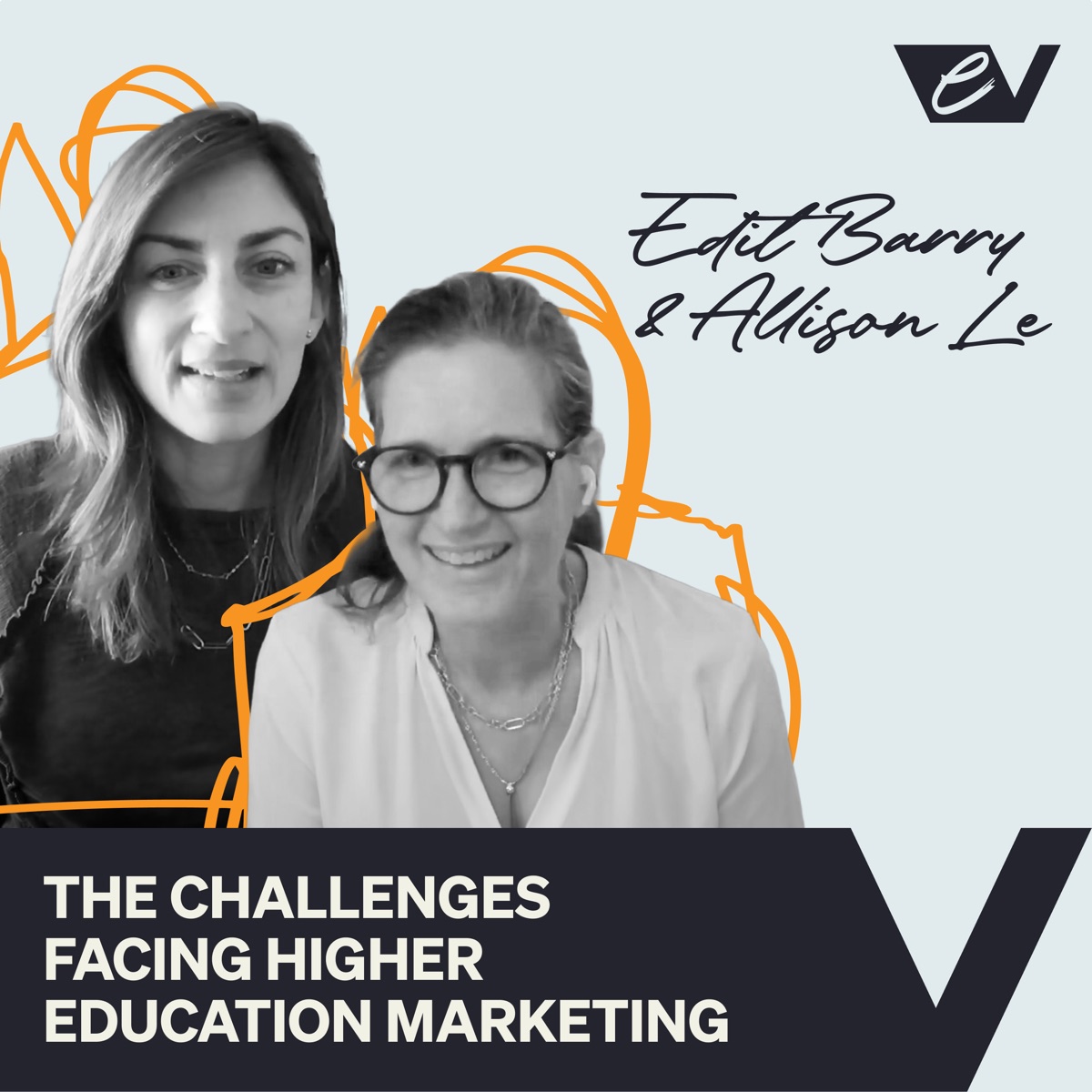
Edit Barry & Allison Le: E&A Collaborative
Co-founders, E&A Collaborative
Edit Barry and Allison Le co-founded E&A Collaborative, a women-owned brand consultancy for higher ed and mission-driven organizations.
Episode details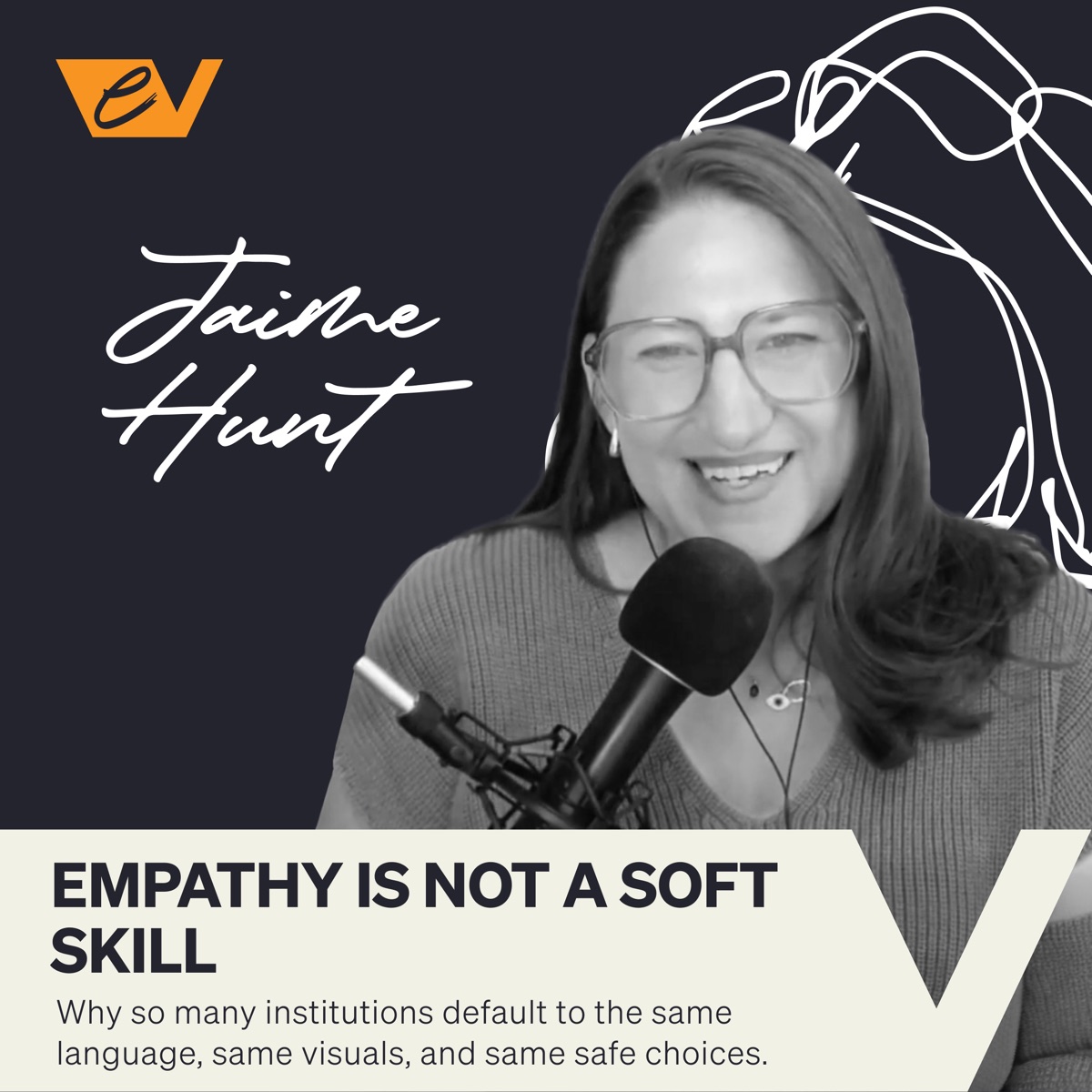
Jaime Hunt: Empathy Is Not a Soft Skill
Founder, Solve Higher Ed Marketing · Author
Jaime Hunt has spent a career arguing that empathy belongs at the center of marketing strategy, not on a poster in the break room. As the founder of Solve Higher Ed Marketing and an author in the field, Jaime makes the case that understanding your audience deeply is the hardest, most rigorous work a marketer can do.
Episode details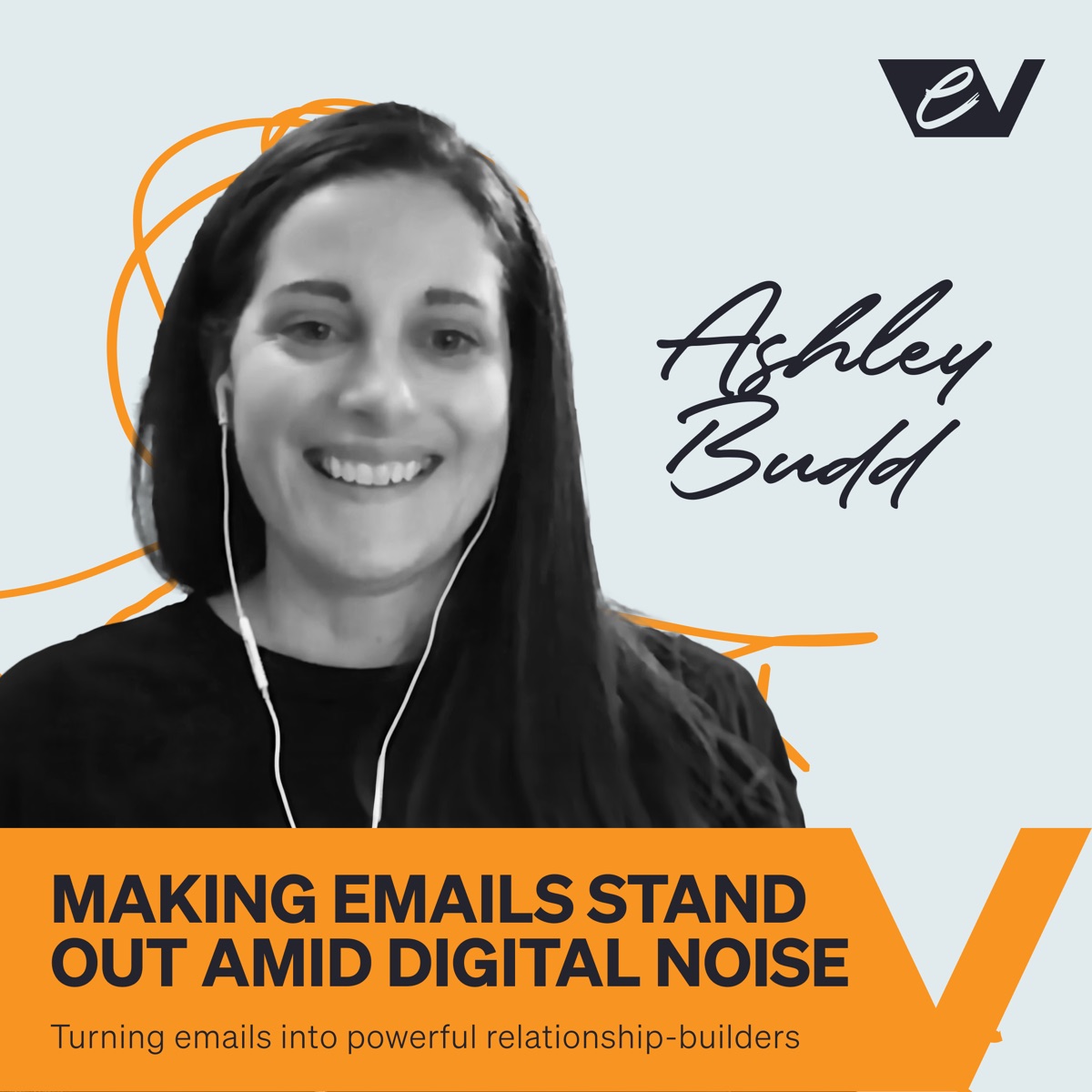
Ashley Budd: Mailed It!
Senior Marketing Director, Cornell · Co-author, Mailed It!
Higher ed marketing expert Ashley Budd, co-author of Mailed It! and Senior Marketing Director at Cornell, on email that people actually open.
Episode details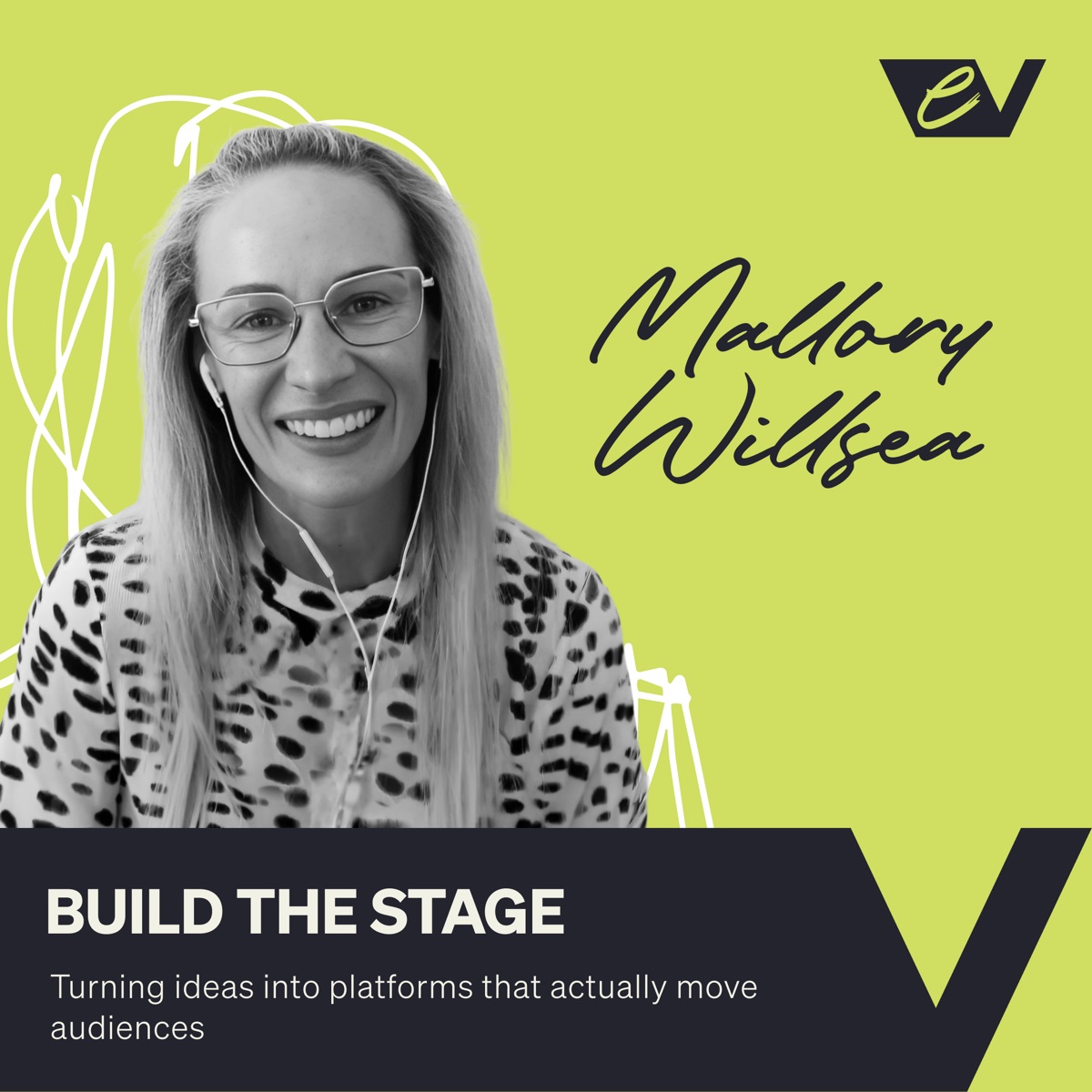
Mallory Willsea: Build the Stage
Media Builder · AI Strategist · Host, Higher Ed Pulse
Higher ed marketing is full of old playbooks, slow adoption, and fear of risk. Mallory Willsea has made a career out of pushing against that gravity.
Episode details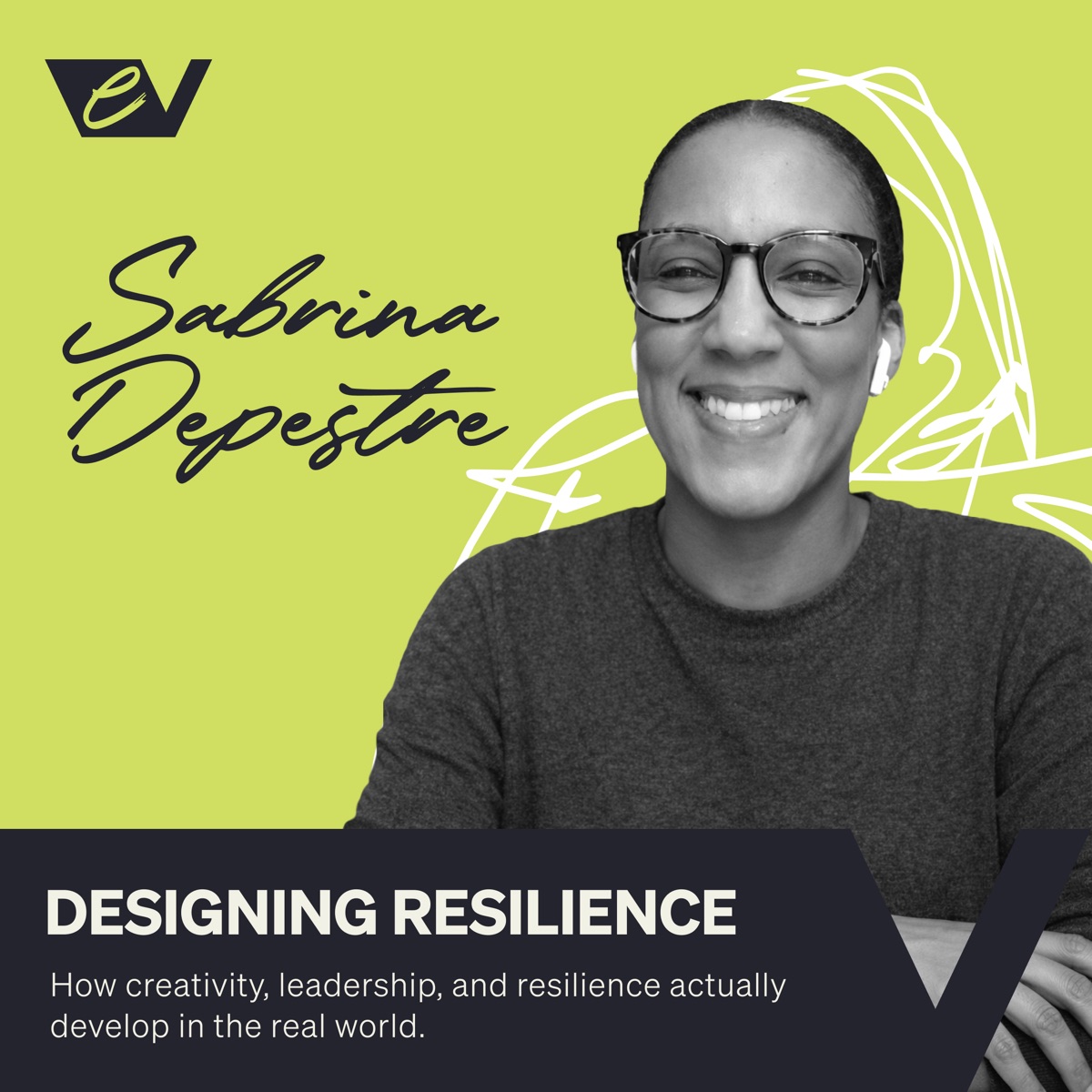
Designing Resilience with Sabrina Depestre
Senior Director of Enrollment Marketing, MICA
Tracey sits down with Sabrina Depestre to explore how creativity, leadership, and resilience actually develop in the real world, from shaping fan experiences at the Miami Heat to modernizing marketing inside higher education.
Episode details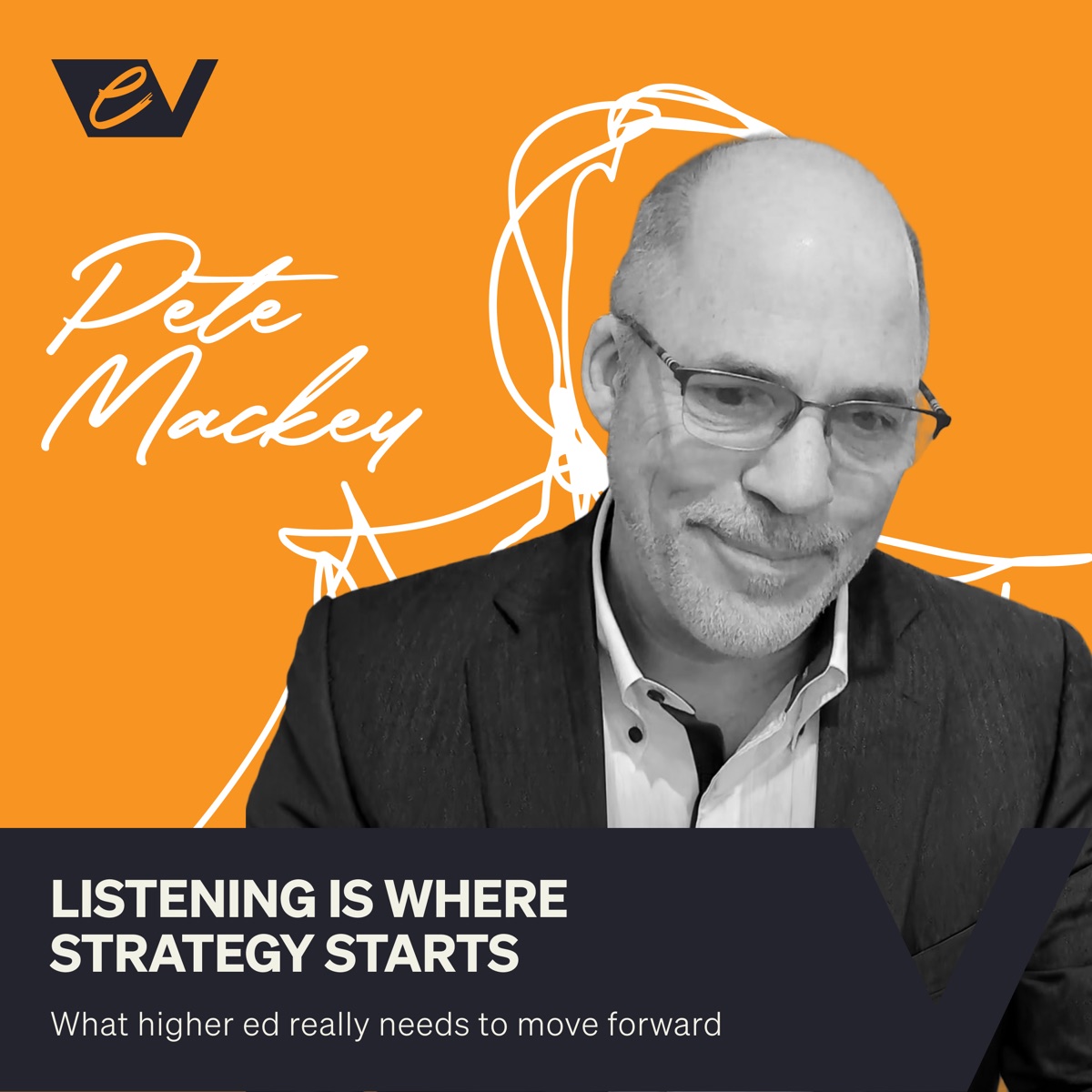
Pete Mackey: Listening Is Where Strategy Starts
Strategist · Poet · Founder, Mackey Strategies
Strategist, poet, and Mackey Strategies founder Pete Mackey on why reflecting a brand, not inventing one, is the real work.
Episode details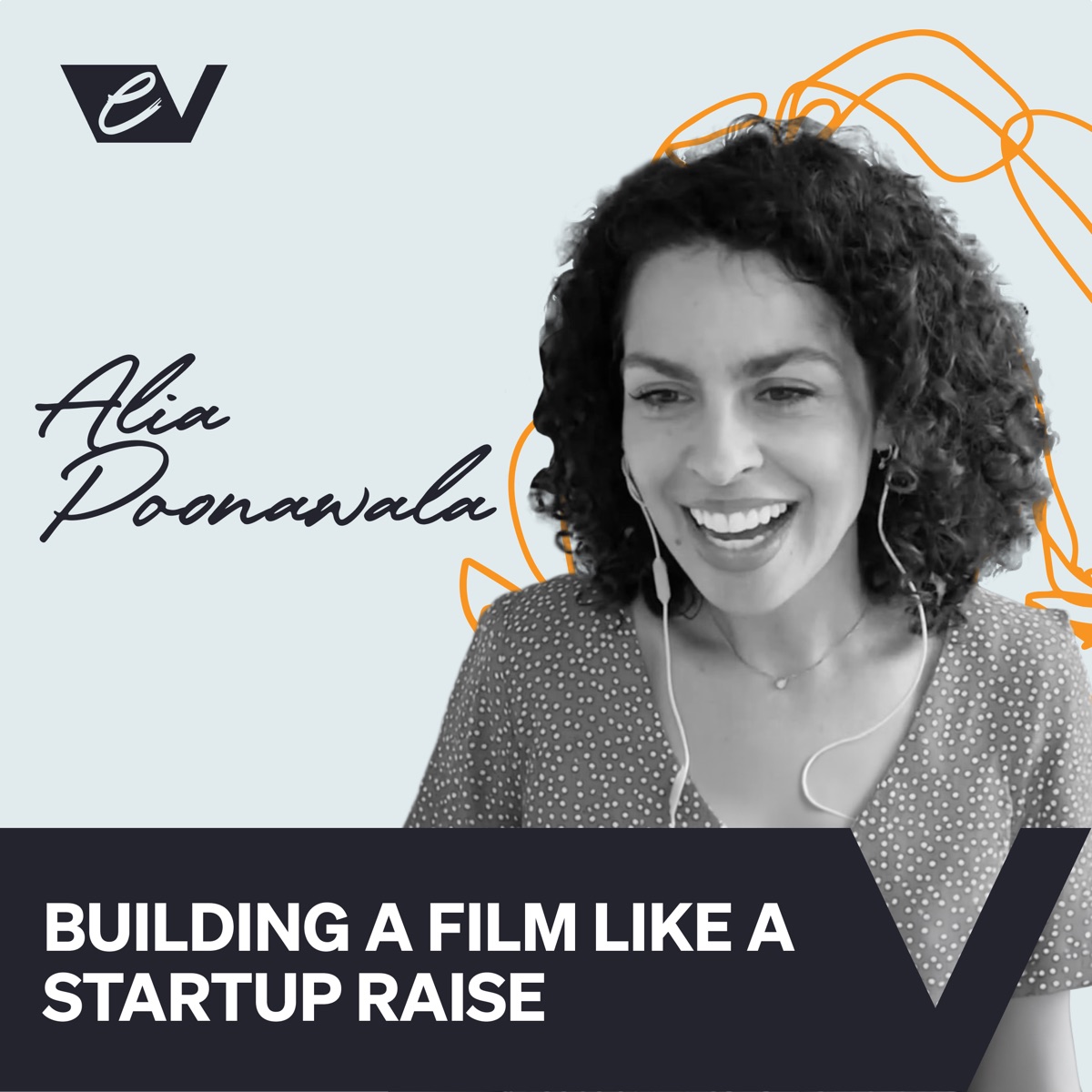
Alia Poonawala: Building a Film Like a Startup Raise
Filmmaker · Institutional Executive
When Alia Poonawala needed to fund her film, she didn’t run a bake sale. She treated it like a B2B partnership deal and raised $50K. A filmmaker with an institutional executive’s toolkit, Alia works both sides of the creative-commercial line.
Episode detailsFrom Tracey
Related writing
The Hemingway test, and the word that means nothing
Two exercises from episode 27 with Dayana Kibilds: one that shows you how hard your pages are to read, and one that shows you how little they say.
Essay · 8 min readDesigners (should) run the world
A short re-visit of the closing session from the 2017 UCDA Design Conference, nine years later.
Essay · 5 min readThe portfolio career, defended
Sabrina Depestre made a point on episode 25 that deserves its own piece. Side projects are not a distraction. They are the engine.
Direct answers
A few useful definitions
What is higher ed blanding?
Higher ed blanding is the sameness created when colleges and universities rely on the same language, visual patterns, and broad promises. The words may be sincere, but they do not help a student understand what makes one institution meaningfully different from another.
How is AI changing the college search?
Students and families can now ask an AI to compare institutions before they visit a campus or open an admissions page. That makes clear, specific, publicly available information more important. AI can only describe the distinctions an institution has actually made visible.