Episode 09 · Feb 18, 2025
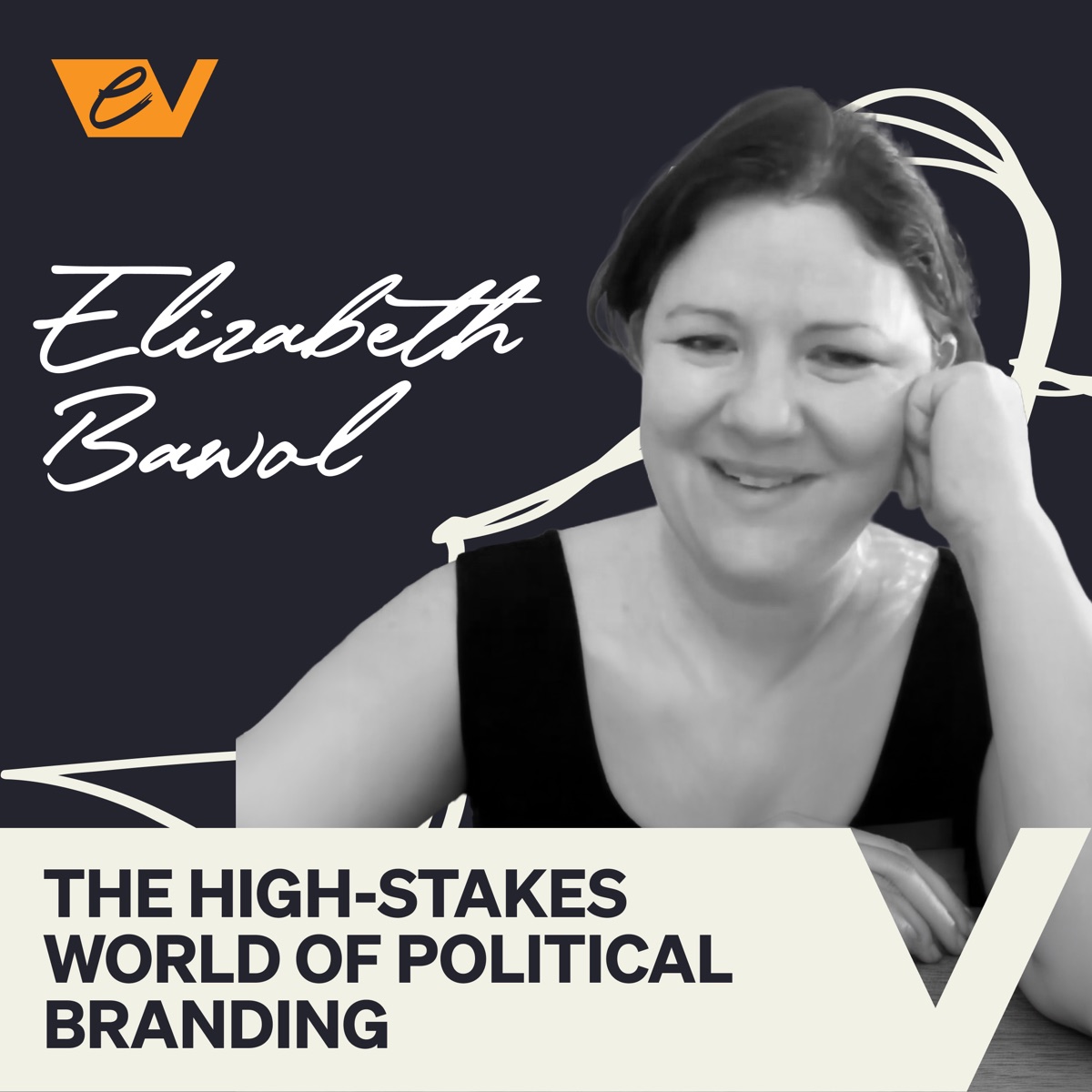
Elizabeth Bawol Round 2: Creative Director at Wide Eye
Creative Director, Wide Eye
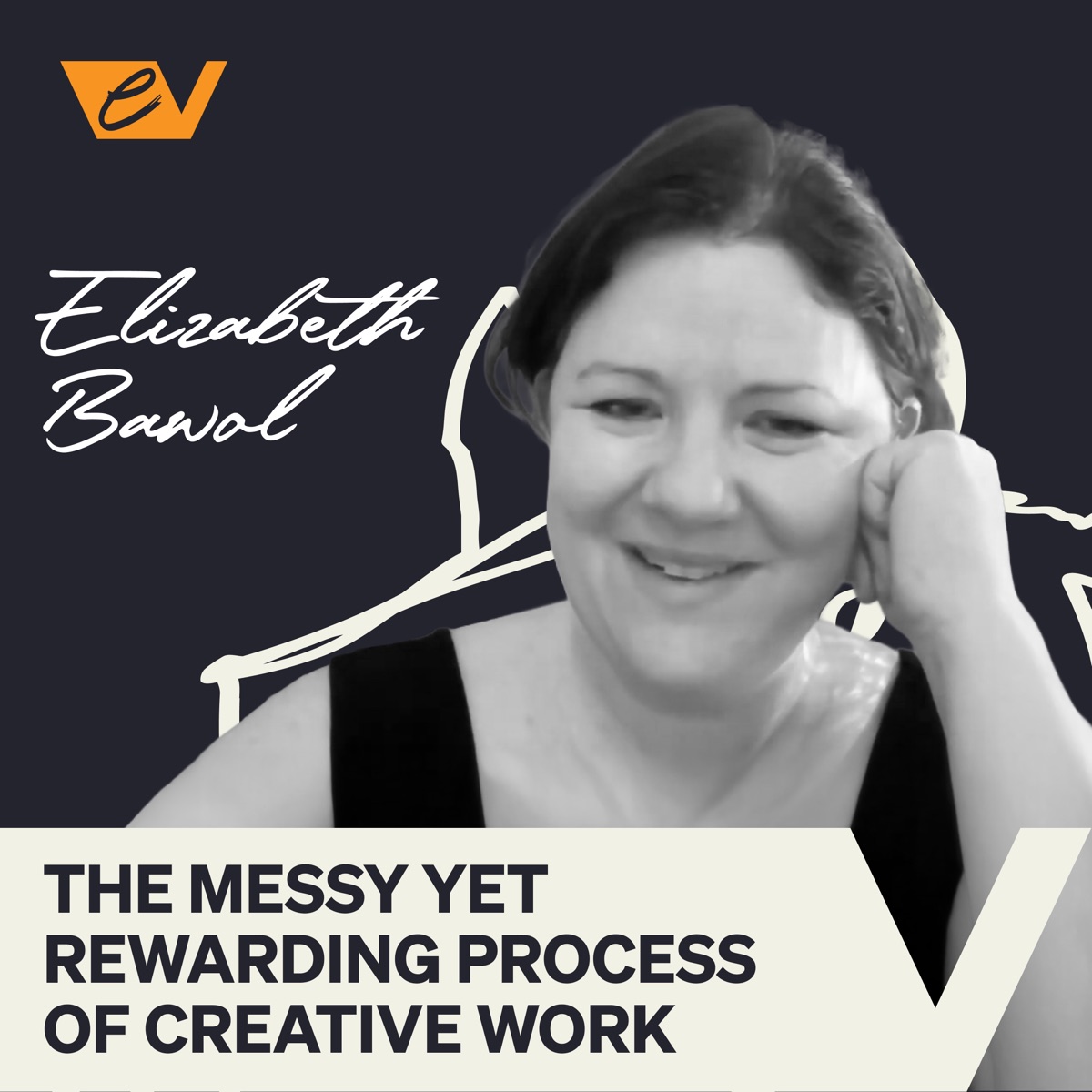
Watch or listen right here
About this episode
Elizabeth Bawol returns to talk about the work since round one: Harris campaign branding, the Democratic National Convention, and Planned Parenthood.
Designing under the highest possible stakes of national politics, and what it teaches about speed, clarity, and conviction.
Links from this conversation
Episode transcript
Read the full transcript
Transcribed from the episode recording; names and phrasing may contain small transcription errors.
Thanks for tuning in. um We've got another great conversation coming up with Elizabeth Bawol, who has already been on the podcast once. She is the creative director and handles brand and strategy. ah directs all of those things at Wide Eye. And we had a great conversation last time about some broader topics. And then I started hearing from other designers saying, what was that like? Did you guys talk about what it was like? And I'll get to what that is in a minute. um But I thought, you know, we we really didn't dig in. ah So I wrote her and wrote Elizabeth an email. real quick said, can we read, can we do another one real fast and, um, and dig in on some of this stuff? And she said, absolutely. So what that is, is what it was like to work on everything from the, from the Harris campaign to, ah you know, in the past, the Biden white house, you know, the Biden Harris white house, and, and, um, just to be that involved in politics and, and political work like this being so invested in the causes um that you've you've been you know mission driven in a lot of your work over many, many years. So I know you love doing work that you can believe in and feel good about mostly. um But there are big egos, big personalities. There was a huge time crunch with Harris Walls. um So yeah, thanks for joining and being willing to dig in. That's what we're going to try to dig in on.
Yeah, no small thing. um Yeah, I mean, I think that like, for better or worse, maybe this is my Catholic upbringing coming through, but like, I like to tell the truth. So, you know, I think that the causes I've been a part of, I've believed in, I've never, I've always, tried ah you know, like, I always strive to tell a real story, an authentic story. I think that's what humans crave. and can be a rarity you know um I was never very good even though I've you know done bits and pieces of this I was never very good at like making the spin right like this potato chip is great because of this or like coming up with a spin to sell something like I really needed need to believe in it so you know before I got to wide eye I was also immersed in politics sort of um unavoidable cuz i was leading i was a you know create director plan parenthood leading. at their national office and that was like getting attacked from the outside, trying to do creative, thinking about the brand, getting attacked from the outside, people trying to like docs people you're filming, like all this crazy stuff, but always tied to the political cycle and and the attacks from the right on reproductive rights. So like, and then prior to that at the one campaign fighting for foreign aid, which is now again somehow up for debate and there's a big We did a lot of chaos around that. And um so like politics has really been a part of my world for, like I guess, about 14, 15 years now. So yeah, I'm in it.
Yeah.
I sometimes burn out, but I'm in it. ah
Well, that's it. I mean, that's a topic, right? Like burning out because it is so high intensity and it is so vicious. um Have you ever had been threatened because of your association with any of the work that you've done?
No, you know, not directly.
know
However, I think what's worse is Planned Parenthood was a whole other level. Right. Because, you know, I worked there at a time when one of our health centers was essentially firebombed and some people died patient, you know, like it was really, really horrific.
Yeah.
And like, I remember our leader at the time who recently passed the seal Richards.
I saw that. I'm sorry. I was sorry to hear that.
I mean, the world's loss is so great there, but but you know she refused security as head of this organization because she didn't believe what we did was controversial.
see that Yeah. Yeah. It was outstanding. Wow.
She was willing to stand up for it. And she said, until every abortion provider in every one of my clinics across the country, can get security, I will not have it. And I remember that very, very clearly. But what was a bigger concern for me as creative director is like, if I wanted to um tell stories, like a big part of what I did there was just like, there are so there's a million different stories of everyday people, you know, one in four Americans having abortion in their lifetime.
Wow. I'm a leader. Yeah.
um or I think that's a women of childbearing age, but regardless, um you know it's a very common thing, but the story is different for everyone. So there's all kinds of stories, reasons people have them, circumstances in their lives, laws that made it difficult. And so what a lot of what I did was trying to get people to tell and tell their honest stories from in their own words without being um overly crafted or media trained or something. like People just want to hear and relate to other people.
Right.
And the risks that came up for me were, people that I put into any kind of storytelling could be threatened and that was far worse. So I had to be very, very careful to like walk a line of anonymity for folks or
Yeah.
um you know, really make sure there was nothing descriptive in the background if they're willing to take the risk because they might come after someone's family. Like there was this a really well-funded opposition trying to change the story and spin the story.
Yeah.
We had people drop out of like films we were doing ah because they were afraid and they or they got threats. So that's the kind of thing that was like, like I'm very, very conscious when someone's brave enough to tell their story to give them all sort of the um what could happen. And you know women of color in particular were often targeted.
Yeah.
So is is that was the kind of the thing we were navigating in that respect.
So that's um intense and makes sense. And I'm so glad there are organizations out there that are being brave and are um sharing the stories of other brave people who refuse to be silenced, as it seems many would prefer. ah But when you get into the political side versus women's reproductive health, which you you would think um would not be a political issue.
Right.
um What was that like to work with, I mean, I've been exposed to people in politics through my new um-ish time with Adeo, but it's state, you know, it's state politics and everyone's mostly lovely, but I hear stories and I've heard stories about some of the rising stars and when people get to a certain level and I, you know, you even see it on the state level.
and
A lot of elected officials feel like they are, you know, God's gift to the rest of us on all things, on all topics. It's like, no, no, no, you, you're here to handle X, Y, and Z of the state. You don't know everything about everything else. So tell me, tell me what, you know, if you can name names, great.
Right.
But like, what were some of the personalities like in this?
Yeah, so yeah.
Yeah.
Well, so what's interesting is like the amount of game that the game of telephone that is every political campaign i've been a part of is so bonkers.
but
Like you wouldn't believe the number of people handling people who are handling people. That said, um I overlapped with Kamala Harris a little bit because she was always a big proponent of Reaper rights.
um like for
So she did a lot with Planned Parenthood. I am not, I did not have like a personal relationship with her.
but
So I don't want to misrepresent that, but you know, I had experienced her in very some very candid settings, some very formal settings.
Okay,
And I did not find she was guided by ego. I felt that she, and and you know, like, I don't think this is me drinking the Kool-Aid. I mean, this is what I witnessed over something like 12, 13 years, maybe a little less. But like I think she was in it with a sense of righteousness and
Mm hmm.
I didn't see that super changed in terms, of and which is why I really, really wanted to represent her authentically in the Harris brand and the campaign.
Yeah.
And it was very hard to do it because I felt I knew her and like well, having followed her for so long and knowing her more deeply than most of the American people did. I knew what she stood for. I knew what she was um passionate about on a lot of levels. And then, you know, becoming part of a presidential campaign, it's you know they did this to Hillary a little bit too. like without naming names. you know There's a lot of people handling the image, right? like there's the There's a com strategy, a political strategy.
and
there's a there's a How do we combat the racism and sexism that has existed over the history of presidential elections in this country? And I think to my mind, there was so much handling. It was really hard to represent her in all her glory.
Yeah, I was um curious about the the brand book.
Mm hmm.
And the, I mean, again, you guys had very little time.
Yeah, there were five of us, knee deep, arm deep, whatever you want to call it, around the clock working on that brand book for, I think we only had like eight days on the brand book itself, which was like 150 pages, had to go to like every vendor across the place, you know?
ah
And it was being guided and implemented by their internal creative team, the Harris internal creative team, and they were they were great folks. um But it was so much to manage for too few people and like everything had to be in there just in case.
Yeah.
And then you still had a lot of vendors who just interpreted things or were like trying things out. So like I really didn't feel like the brand we created was really solidly out in the world until the last like month. like People got it, figured it out, even though every detail and example that could possibly have come up was in that book.
But I mean, you had to make so many decisions so quickly. And like you said, there's all these handlers, there's all these people involved superfluously, you know, adjacent to what you're trying to do.
Yeah.
did that Did that cause a lot of problems? where you where you Was it a lot of hurry up and then wait? Or was it just all hands on deck?
There was no waiting. There was no time. And I actually think that might have been good for us. like I had a real gut about what made Harris uniquely good for America in this moment in time and what characteristics of her personality I wanted to make sure shined through.
Yeah.
i but However, like when we presented concepts to the White House, we presented to 22 people. She was not in the room at that time. Someone else shared it with her later and all all this stuff that happened, but like um it happened so quickly. and you know there's There's so much caution in politics, right? You have to think about
Right.
and And I'm not suggesting they were wrong so much as there's a spin that has to be done, right? Like to meet voters where they are, to make sure she seems presidential enough, which is a bonkers definition in this country, seeing as we've ever had a woman from president.
Yeah. but
And similarly, I feel like the way, you know, I wasn't on the Hillary campaign, I know a lot of folks that were, and I think the person that I've seen Hillary to be in speeches, in events and things, um is not necessarily what the American public saw. And I think once, you know, this is my personal opinion representing no one but myself, but once we stop trying to spin it and let candidates, let Bartlett be Bartlett, let female candidates be who they are, I actually think, like, you don't have to hide that she's a woman.
Yeah.
You don't have to hide that she's a stepmom. You don't have to lean into it all the time. you But, and you don't have to hide what she cares about. Like, and
Yeah, there there didn't seem like there was a lot of attempts at cloak and mirrors or or keeping things behind the curtain um with the campaign.
No, it it was just more that it had to fit in the box, right? The box that we put campaigns in, the box that we put candidates in.
Yeah.
And I think there, you know, we tried to create a brand that allowed other people to own it a little bit, allowed other people to see themselves in it, but did it fully authentically represent her? I'm not sure. Not all the way, maybe. Like it was her, but also like melded with what we think commanders in chief are. And I think some of that is misguided and not quite authentic.
Yeah. Well, you certainly didn't have time to really dig in. Um, I was noticing though. I mean, I love that you you've got the, the, the, the font choices, right? So with Denton being, um, you know, one of the choices, but then with the, with fearless being the name of one of the typefaces being fearless and then Balto, with the other one, you know, and being involved.
Yeah. Oh man. Did we talk typefaces? Like we probably spent the most time on color and typefaces. And I did not totally win all the arguments on color, but, um, you know, and this is a credit, this is a credit to wide eye and the creative team at Harris, like that everyone we're, I mean, we were, it was like a group of six or seven, but like two or three type nerds talking overnight to all different foundries. We also.
Yeah, mean it seemed very, very purposeful and very,
Yeah, and Fearless was actually a typeface that was far more custom that of a ah foundry actually modified for us and in the and renamed in this in this like crazy three-day span. They were in France, but also was you know obviously Baltimore where I think her first campaign headquarters was, and then Denton was actually used by the Biden campaign. so like And that was the piece that like I struggled a little bit with was it was so traditional
yeah
And I don't think she's a traditional ah candidate or was. um But you know these are the nuances that we debated and like arm wrestled over. and it was like I also wanted her palette to feel a little different than the typical American palette. and or typical like red, white, and blue. And like, I lost some color battles in that whole process too.
Yeah.
So little pieces got eked away and like, this is how it works. It was all a little bit of frustrating and navigating all the visions of who she should be to the public and all the voters.
That's how it works.
And, you know, honestly, I think that she had another month to campaign. it would be ah We would be looking at a really different result, but the timing was really, really tough.
Yeah. Yeah, we'll never know, unfortunately. um Were you guys involved in working with them sort of default because of your past work with the Biden Harris White House in general? Or was it a was it a competitive process to get involved? Or were they just like, we don't have time. You guys did the White House stuff. Then the Biden Harris stuff like let's go.
So why, I think a lot of this is the, art the founder of Wide Eye, Ben Osterauer did, um I think he started off with like Bernie's logo back in the day.
or
um And so we had actually as a company kind of evolved out of politics somewhat.
Uh huh.
um And then um because we had, done or Wide Eye had done, this was before my time, um her first, her 2019 campaign, i I think, now I will say i was on i was out I was in Alaska this weekend, the weekend this happened, but some ideas were just pitched to them and we said, hey, we're here if you need us. And that was all it took. And we got connected and threw some crazy ideas their way.
Yeah.
And then you know they hired us. We started from scratch. And um I think I had two minutes notice before presenting the concept I had worked up to the White House. Um, seriously, like literally less than two minutes. And I was like, all right, let's go. I, I know this candidate. I know what the intention is behind this creative and let's go.
Yeah.
And it was just like a room of amazing, mostly women who were there for it and who I think ran a great campaign just by
It sounds like it was the, yeah, I mean, despite losing, um it sounds like there was a lot of um unity and cohesion from the get-go, which I think the public could sense just in the messaging and the way that things got rolling.
Yeah.
It was very, it felt very unified. um Was there, okay, so here's another question about like big profile politics work like this. Is it the same as like big celebrity or like big, big media where they're like, well, you get to work with us, so we're going to pay you peanuts.
oh No, no, no. I mean, this is probably because, you know, we work with Democrats too. I mean, I will say I've had a lot of interaction with brands that have to navigate celebrities because the one campaign was founded by Bono and a lot of celebrities were attached to that. And then at Planned Parenthood, there were just certainly a lot of celebrities that wanted to work with us. So like, and there was a lot in those circumstances, again, not naming names, There were a lot of celebrities that needed to be handled very carefully, did have big egos. Every photo or poor needed to be examined before something with a social media graphic could go out, for example. um So like that was a level of profile and intensity I didn't love. The intersection of branding and celebrity was challenging.
Good
I will say, Bana's a lot more humble than you might think. Um, he's quite humble.
to hear.
um Yeah. Anyway, um, so all of that was like very, very complicated. I think with, and maybe this is naivete, but like most of the candidates I've worked with, and I was able to work on, um, or campaigns I've worked on, we, I was able to work on Stacey Abrams. We did their, her, um, gubernatorial campaign when I first started at wide eye. Um, and like. These are the people that we I've interacted with from the political side have been public servants. Like, even if I'm not working with a candidate directly, there's people that believe in a vision.
yeah
The vision is not about the individual as much as it is about the greater good.
Yeah.
And that's like the biggest difference between the parties right now, right? It's like one is motivated not by the greater good, at least not the inclusive, diverse greater good. ah You know, it's the
Well, yeah. Well, they're even lying to most of the people who they're saying they're invested in their greater good.
yeah
um
Yeah. So like I find that there's, I'm sure there's far more ego than I see, you know, like I, you know, but for the most part, the candidates, candidacies that I've been around are part of branding have been fairly pure, you know, fairly clear in terms of and decisive in terms of which direction we're going.
what Was it the same case when you were working for the Biden-Harris White House and like designing that? Because, I mean, to me, I always say, you know if you're going to get into the brand water with anybody, be prepared because it's like you're youre know you're like trying on different faces for their baby and they're going to be like, oh, but can we make a look? you know It's like they just people get their hands wrapped around that and there's a lot of emotional attachment to it. um So a campaign I can understand you don't have time.
so Yeah, aunt I didn't work on the White House, the Biden-Harris White House.
um
it was just That was before my time. but My understanding is that even for that one, there's a few people that like the thing about politics is like the perfect isn't the enemy of the good. Maybe it isn't a press release or like a public statement, but it's not in creative. Like, you know, I think maybe to a fault, they underestimate the power of brand.
Yeah.
Like you look at Trump's brand, right? And he has the power of The MAGA brand, which is, you know, if if I was to qualify the characteristics of that, it's allowing people to express bigotry and hate and an idea of America that is whitecentered white white male centered. And then you have the Trump brand, which a lot of people in this country seem to think of as the American, the new American dream, right? The gold plated American dream.
No, no matter how long we talk about the corruption and the and the bankruptcies and the...
that anyone can achieve I mean, there's still this is a whole other podcast, but my my point really is just that there the brand power and recognition that Trump brought against someone who really had to be reintroduced to the American people had to be branded and out in the world in 107 days and almost one came closer than it.
Yeah. Yeah.
Like if you look at the votes, you know, it was damn close.
Yeah, it was close.
So like.
And a lot of people just didn't vote. So a lot of people didn't vote, which boggles my mind.
There's so many things that didn't, I know.
But no, you're you're really right.
it's like
right and And one thing Trump has always been good at is managing to schlock that brand around and find a home for it in whatever you know gaudy gold toilet.
Yeah. Yeah. Like you have a visceral reaction to it. I do. I see a Trump Tower and I'm like, I want to throw up.
Yeah. Yeah, but it's ever, you know, his his name and the MAGA colors, the ain the anger behind it, the the masculinity in it.
new It's consistent.
It's all it's it's well done for now.
And what he can't do with the Trump brand, he can do with the MAGA brand and sort of vice versa.
Yeah. yeah
Cause MAGA is not going to be a luxury brand of any kind. It's really interesting. Like some people have said it's the non-brand and I don't think that's true at all.
Yeah.
I think it's very deliberate, dumbed down brand.
No, no. Yeah. Yeah. It is a very, very, um, it's like a Cro magnum brand.
Yeah. Yeah.
Right. And, um, yeah, it's like a, it's like a big stick.
And I think Harris was navigating the Biden brand, right? Because she was a part of that administration.
Yeah.
And, you know, that didn't give her a lot of brand equity, right? Like that gave her a little bit of baggage in my opinion. So like, at least from a public perception, not necessarily a record perspective.
That's interesting.
And so, you know, when you think about it exclusively from a brand perspective and a political not a political strategy perspective, which isn't my expertise, right? I can understand. like It was almost such a long shot. I didn't allow myself to believe was a long shot because of so much at stake. but
Well, you know, there is there is a um there's a fine line between elegance and elitism. And I can see where you had to not go too far into anything that could be read too much as elitism or um intellectual, you know, um East Coast, you know, liberal vibe.
Yeah, it's the flaw of the definition.
And yet, you know, that's a lot of what infuses the brand with energy and reality, yeah.
And just personality, right? like We were always walking this line between simplicity, minimalism, and depth, and I think that can you know That's obviously like a dangerous lie and it can get too simple and underwhelming if it's pushed in the wrong direction um or it can be sort of owned by the masses and another. So like we had to do that so carefully, but like I can say that where I wanted to lean in more and really couldn't. You know, for me, just as a human and a woman in this country, like as a female candidate, you know, the first female black candidate president, you know, the first Asian American president, she stood for so many firsts and represents so much more of an inclusive group of Americans with all with her racial identity, with her, the things she's advocated for.
Yeah.
um And um all of that, that the sort of idea of first, and this showed up a lot in the concept documents, was so incredibly important to me and leaning into what made her different. And ultimately, I think maybe the reason that smart folks push back on that, or we it was downplayed a bit, is America clearly wasn't quite ready for that. I still always wonder if we had doubled down on some of this. had Would it have worked better? I don't know. I'll never know. But like when you the the the racism, sexism, biases that exist are the question mark, right?
Yeah, and like...
How much did that factor in? like The talk of her laugh. like that doesn't happen to men, right? Like, so male candidates, like she kept being called Kamala and it drove me bonkers. Cause I was like, she's Harris, male candidates go by their last name. Why is she Kamala, Mamala? Like, why is that?
Yeah.
And like, it was such a tough, it was, you know, it was really a head, you know, lot.
There's gotta be a lot of what ifs that you go back to and wonder um about. That's got to be one of the harder parts of work like that.
I mean, I will say that like, I don't think there's a lot I would do different. Like we all, we gave it our all. We didn't sleep. We fought amongst ourselves and like with powers that be with the campaign, not in like an aggressive way, but it fought for what we cared about.
Passionate way.
And like, I fought for what I thought we should lean into. And like, sometimes I won and sometimes I lost, but like we really gave it our all. So like, it's more just like, I'll never totally know what could have made that difference, which would have changed the course of world history. Um, like how much of it was the com strategy or the political strategy or like something that was said in front of the wrong crowd, like on a campaign trail or like just the inherent bigotry and hatred of women, professional women that haven't born children. Like I just don't know how many people, I don't think anyone really knows the depth with which with that impacted the results. And that's the stuff that keeps me up at night. Like when is this country going to be ready? Like, well, I see it in my lifetime.
i think um I think we're experiencing a last bla gasp of a power system that is desperate to hold on.
God, I hope you're right.
But that's for a separate podcast.
I really hope you're right. That's definitely like an optimistic take on what's happening.
Well, if we just look at the numbers, um
Yeah.
It's they're going to have to do what they're doing right now if they have any hope of holding on to control. So we just have to make sure we don't give them all that they are trying to take.
Yeah.
um And that's going to come down to the people and not the government, unfortunately.
Yeah.
um So what would, was there, were there any moments that stood out to you where it was like a really intense, like we won't say fight, right? But a really intense conversation back and forth. um What it if you could share what one comes to mind? or you know
i Well, so I think what was really challenging for me was that even though I was a creative director on the project, You know, our our ECD founder is a designer, right? And he was the one largely communicating with the campaign as this thing was rolling. I was working with our team to build out the brand. He was talking to them. But I think he was probably getting signal things in the middle of the night and like talking to typographers at four in the morning because they're in front. And I was always sort of this I've never I haven't in many, many years not been sort of totally in charge of the creative. So like. I also was like I had to talk to him and hear what other people it was so there was so much triangulation I think and I don't think and I don't really blame him for that it was sort of the way this thing was happening and no one can be awake all the time, but I It was all filtered right to some degree and I wasn't necessarily going toe-to-toe with the campaign all the time or toe-to-toe with the typographers so or making the you know, so it's like
Mm hmm. Right.
That was probably the trickiest for me was like not hearing in the moment what was next and like what had been decided or like not being a part of every decision. Cause you know, in something this important, you gotta to be every decision matters so much.
Well, what comes to mind is how much ah backtracking did that cause or work going in a direction that had to get tossed or, yeah.
Yeah. It was tricky. It was tricky. And like it's just things were moving so fast. It's like the priorities changed constantly. like We're trying to build build out this brand book. We're trying to test it. And we're trying to negotiate low enough rates with these typographers. And then some typographers are like, if you're working on a presidential campaign, it can't be for the right because we won't help you. And we're like, no, no, no, no. Can't tell you anything more, but it's not for Trump. And it was like that kind of stuff. like One creative director couldn't have done it all.
yeah
um But like there were things like in the original typeface that became fearless, the eye had this sort of really unique um characteristic that I loved. And um and i others didn't agree with me. It was too individual. It was too unique. It would stand out too much. And I was just like, I really fought for that for a moment. you know The Harris versus Kamala thing, I struggled with a lot and pushed for. And like that was that was frustrating to me just as a woman. like i I want female, I actually wrote a medium piece about it because I'm so tired of women candidates being treated differently by the press, by even their own campaigns. um you know Like how often was Hillary defined by her husband as opposed to herself and her candidacy?
My head.
And like with Harris, I just wanted the gravitas that I'd seen in her and the charisma to come through. And so there were all these little decisions where At some point it felt like, ah, all that gravitas, all that individuality, all those firsts that I wanted to lean into sort of were getting chipped away in order to make sure this was felt like a presidential campaign. And that was probably the hardest thing for me to navigate was like, where can I pick my battles and where do I really dig deep and go after something? And, you know, I won some, I lost some.
Did you, uh, was there a cutting room floor of like things you wished could have gone out as posters or, you know, whatever
Oh, yeah. In fact, there there was a whole line of merch that never made it to the store that um actually put on my website because it was so good.
promise
And we spent so much time on it. And it was in the brand book, actually. But I think just no one got had time to make it like that campaign they were if we thought we were working hard, like, I think that campaign had I don't know what it was. um I think it was under 50 creatives or something. But like they were doing every campaign event. And like I just think it like some stuff just didn't even get there. There wasn't enough time. And that was a shame. like We had these t-shirts that said, I'm speaking, which was such a good quote of hers. And like you know some other things.
Yeah.
you know The other piece that I think was really tricky was when a VP candidate was named. What does that do to the brand? right Because like Walls is a really different person.
yeah Yeah, I was reading a little bit about that.
yeah
how long yeah What if his name's really long or her name's really long?
and it's got it confused in and yeah, it was tough. I will say that was the worst typographic lockup. We did all the lockups and walls just turns weirdly with the W and the A and so we actually ended up going to the typographers in most cases and having them tweak it or like I think with Balto,
Yeah.
I can't remember his name at the moment, I forgive me, but he was like, hey, you got to fix this thing. And then we had a second set of logos that went out and it was like, so there's, if you look really carefully, there's two sets of logos that showed up over the course of that campaign with minor tweaks, but they were clear to us. We're like, wait, are they using the right?
Oh, is this, uh, is it towel, I mean?
Yes. Tell them.
Yeah.
Yeah. We also, for a little while, in one of the initial concepts, used Tatsuro, which is um a beautiful typeface. Didn't quite work for her brand in the end. And I really agree with that. But it's the typeface that is on that famous, I am American sign, or I am an American as part of the protesting against Japanese internment. So um anyway, it was like a really great story of civil sort of social justice, you know, and and human rights. And like there was that element to it, which we love would have loved to make work, but didn't quite didn't quite work for her and wasn't what they wanted to lean into.
Yeah.
Right.
And how much so, are I mean, are you pitching these ideas along with the visuals and sort of explaining like this approach is inspired by the, you know, the Japanese protesting against the internment camps or, you know, like all.
Yeah, we walked through all of this. We really only had one presentation to the White House and it was that room of 22 people or something.
Yeah.
um And we had three concepts that we brought.
Okay.
And one leaned into this idea and it of a joy being a joyful warrior and like joy infused in her sort of fight.
here
And we had some inspiration from boxing posters and just different things in there that were kind of interesting. The one, another one was first. And that was more when I worked up with this amazing art director and our team, Grace. um And there were others that worked on it different times. So I I shouldn't like Elena Sebastian. Others on the team certainly like put a lot of color into that one, too. But um that one leaned more into the personality and charisma and like identity, her vision for America being an inclusive one. And that one leaned into more, um a less traditional palette, but was the closest one to what the brand ended up being. And then honestly, God, I don't even remember the third one at this point, but there were three concepts. They chose one in that room and then took a bunch of iterations to her and her team and her close team, I guess. And she just, she green lit it.
Yeah.
There was no noodling. There was no, This is the thing. I think politicians just don't have time. They're like, that looks good or that doesn't um done go.
Yeah, decisive, decisive.
Yeah.
um Let's shift gears a little bit and talk about the Democratic National Convention.
Yeah.
Tell me how that was also happening and what was going on there.
Yeah. Well, so all of that was, all of that was prior, which is good because if they had happened at the same time, I think I would have jumped off something. But, um, so that one was so interesting because.
Yeah.
That was like create a brand for the current democratic party and the voters that we really need to be listening. And like, this wasn't between like, this was basically about undecided voters, right?
And when did you start this work? When you started this work, did did had Biden announce that he was?
I was marching. No, that's the problem.
Okay.
So it was all Biden and the direction we got, the creative brief we got was essentially really needs to be infused with the Biden campaign. Like they need to be like this, it's all about Biden. We're going to double down on Biden. And like, it didn't start that way. Like at first it was like, can you all craft a brand for the Democratic Party, but then our candidate was sort of like old established Democratic Party and like where we felt the party, or I should speak for myself, where I felt the party was, was different, right? Like, and this was not about, this was about moving people that were undecided about voting at all, right?
Yeah. Okay.
More than anything, it was about getting people up off the couch that are Democrats, but are disillusioned, right? So we had some wild stuff in there.
And just to be clear, this is this is all out. I just want to be clear to anybody who's listening and isn't familiar. So this is all the brand, but also the like the experience space, the the design of the experience of being at the DNC and what you saw on TV if you tuned in.
Yeah. Yeah.
that was all being designed.
Yep.
And had you all done like a big in space, you know, physical?
Well, so I think there are like 70 vendors that actually contribute to the Democratic National Convention. So like what we do at our best is create brands that are strategic
Yeah.
And, and we then build books that are, uh, they basically imagine it at any scale in any format that could possibly be designed. And like, so we had, yeah.
is your is your book basically like the system. It's like a brand that has a...
Yeah. I mean, for politics, it's often more focused on the design, right? like But for most brands, for nonprofits, when we actually have a reasonable amount of time and it's not some crazy pressure, it's more like, here's your orientation to the brand itself.
Yeah. Yeah.
This is what it's about. This is what it means. Get inspired. And then, here's your accessibility chart. You're all your colors. Usually, you spec all the things.
and
Here's the brand in action. And like go. With something like the DNC or even the Harris campaign, they're so obsessed with words and missed messages that could go, mixed messages that could go out that like most of that brand personality, we keep quiet and it was more just about the experience and the brand itself.
Mm-hmm.
But like some of our concepts were really cool and really different than um what the Democratic party was sort of known for, but where we ended and we had lots of lively debates with the ah DNC team, but like,
Okay.
Where we ended was we got to get all of our ducks in a row right behind Biden, right? So we had done this whole thing when that announcement happened and then the DNC was like four weeks away and we started on the Harris work and it was like, well, shit. this This train has left the station. how Should we try and shift? But there were banners all all over Chicago. So it was like, nope. Her tie to that administration is going to be on full display. And you know we made it work. and But there wasn't a lot we could change by the time that announcement was made. I think it would have looked a lot differently if we had planned it for Harris.
Yeah. Yeah. um So many things I could say about that timing, but I won't.
yeah.
um Were there any, you know, it sounds like it was, again, just a very focused, very unified effort um and then a very unified hard left um when the decision was made for Biden to withdraw and to elevate Harris. um were there Were there any like, oh, you gotta be fucking kidding me, like moments where just shit went wrong or like a vendor blew something up or you know somebody got COVID or, I mean, it doesn't have to be like somebody was an asshole, but um there's gotta be some moments along the way where you were just like, I really don't need this right now.
Yeah, yeah. Yeah. I will say both ah Ben, the founder of Wide Eye and I got COVID during the Harris harris work, which was like an intensive three to four weeks. And like, we're working through COVID and we're like raspy voice, like not on camera. And it was like, it was, there were some tense moments because we were just both so miserable within like four days of each other.
oh yeah
and But with the DNC, you know, I honestly felt like I sort of enjoyed the Harris work more than the DNC only because there was more time at the time we were doing the DNC work. It was a little more time upfront, lot more debates. And like we did find ourselves a couple of times in a room with like the head of production or like an event guy, like a handful of different folks that we hadn't met before that weren't part of the full concepting process.
Oh yeah.
And we're asking a lot of questions and like getting micro into things like the banner on the videos. And it was just like, you know, clients are gonna client, but um some of that was like, dude, let us do what we do. Can you just just follow the book? Like seriously, like we thought this through, we talked about it. It's all intentional. And like, we just sort of had to defend that and defend that to all different new players.
Yeah.
And then the beauty of both of these, I will say, is that once it was out of our hands, for better or worse, it was out of our hands. So like, we weren't checking every screen that was gonna go up. Like we went to the DNC and there were a couple times I was like, ooh, That went too far in the stars or like whatever. But like there were experts on all different levels that were like, this has got to look good on camera. This is how it's going to frame up the speaker. like This is where the podium is and the lighting on the podium. So like we couldn't be everywhere.
ah know but and You hand it off the baton and and then hope for the best.
Yeah. It was a year of exercising, like accepting what we can't control.
So you mentioned something that, you know, I want to dig in on a little bit, which was that you enjoyed the Harris work more because you had more time. And yet...
No, i had I mean, we had less time.
was
I think that's why.
Okay. All right. So you enjoyed it more because you had less time. um Well, the concept, you know, the time, um the issue of time. And so, but you know, I remember saying the same, feeling the same thing when I was back, you know, actually designing things and working um on deadlines with client work and, you know, just always wishing there was more time. Like, oh, what? That deadline? But I've come to really appreciate that um sometimes like the faster the deadline, the the more opportunity there is because you don't have time to sit and like noodle over things or what if about things.
Right.
um You have to make quick decisions. You have to be bold. You have to, um if you're really going to hit that deadline.
Yeah.
And in this case, you know you had to hit the deadline. so yeah
I mean, the deadline was just yesterday for everything.
Yeah.
So it was like, we just had to do everything as fast as possible. I will say, I think we noodled on type a little too long.
and
For my taste, I was like ready to make that decision like a week earlier so we could get moving.
Yeah.
um And that was tough because we had some real type geniuses slash obsessive craftsmen all environment involved in it.
yeah
And it mattered so much. But for the most part, it was just like, bang, bang, bang. Yes, no, yes, no. And your gut on a lot of this stuff, if you've been doing this long enough, It's usually like, right. And so it was a situation where clients couldn't client, they had to just trust us because they had too much going on, you know?
Yeah. Well, when you've got that many players too, I mean, I'm surprised to hear that there weren't some like, you know, young up and comers that were trying to make their mark felt by overstepping their influence or they're overstepping their, their position in the chain of feedback that has to move quickly so that things can advance.
Yeah. I mean, I think the creative team, and this isn't like, you know, good gossip, but like the creative team at Harris was they were, they were exceptional to work with. Like they, they weren't. they had no problem letting us do what we were doing and taking our steer. And then they would ask us questions about it. and And there was a point where they were like, we're trying to implement it. It's not quite working. Can you adjust stuff or can you talk to us about what you were thinking or show us an example of this? Because like, right, like a lot of what Democrats love to put down on social media is like, heavy, right? Like stuff that no one will read because it's so long and they get to the point, right?
Yeah.
Like they don't, everyone doesn't need the nuance and you don't have to prove how smart you are, that kind of thing. And like, and and they were, they were very much like, you guys crafted this, tell us how this should go. We're not quite getting it right. Like there was a, there were young folks, but there weren't, I didn't navigate at least any big egos. There were, I only interacted with like the top folks over there, but like, um,
Well, it sounds like there was a lot of trust and I guess there was some history with Wide Eye and some of the key members of that team.
Yeah, I think that's what it was.
But where do those people come from when they're putting together an internal team like that? Is that just, I mean, what what happens to these people after they just have such an experience like that?
It's so funny because like like we it's it's like a whole Wizard of Oz city like got created and then disappeared.
Yeah. Yeah.
You know, and like so many talented folks, like it's funny, I was at the DNC and someone that used to work on my team at Planned Parenthood was like, Hey, I'm a producer for Harris. I'm down here video taking the DNC looks great. And I was like, of course, cool. But like all these people that are in the sphere of social justice, branding work or creative work, or like we're any what anywhere connected to the Hillary campaign or whatever kind of just like converged on this opportunity, right?
Yeah.
And then, you know, with the knowledge that at the end of it, it's gonna go up in smoke as poof, it's gone, right? And like, yeah, yeah.
Yeah, I guess if you're used to the campaign world, that's what you're used to.
I mean, I will say at this age in my life, I never ever thought I would be getting involved in something that's nuts. I don't think I could do it all the time. Like I could not have another year like last year.
Yeah, it's um not for the faint of heart. um But there might yeah, the the trust there the trust had to be there to move as quickly as you all did.
Yeah. Well, and to honestly say, wait, this typeface isn't working.
um
We need more of this or adjust the brand book this way. We're seeing this as we design a hundred graphics in a row in one night. And that being able to be responsive to that without question, like we debated the stuff that really mattered and we let the other shit go and like just helped each other.
Yeah. Yeah.
And I think that it was a good group of people and a small, you'd be so amazed at how small.
um Do you know who came up with the idea for the camo hat?
I don't actually, I should know.
Well, to whoever that person is. Thank you.
I know, I love it.
I love my camo hat.
Well, I think that might've just been, what we loved about that was like, I think that was just a person, like not someone connected to the campaign itself, I think.
Oh, really?
And like, that was the goal, right? Like part of why the logo was so simple and we didn't embellish it with stars and stripes and crap was because we wanted it to be beautiful, simple. And, you know, she was she is such a, clear, decisive prosecutor, right? like There was something about making it as simple and like solid as possible that was really important, but also we wanted people to take it and put it on things. And like we created a whole tertiary palette, I think, so that
Yeah.
different unions and things could like make their own placards and and use their brand color but use the brand and so like it had to be so incredibly versatile to meet all the needs and so the camo hat was one of the first where were like somebody took it and made it something else like that was the point you know.
Awesome, awesome. So along those lines, were there any other places where you saw it kind of be grassroots activated um in ways where you were like, yes, it's working as intended.
You know, I think I was actually like heads down so much that like I wasn't, I only when something really broke through was I even paying attention to it.
Yeah.
I should look back because this has happened a couple of times in my career where something's taken off and been redefined by the masses.
yeah
And man, is it like, it's like the, it's like the best kind of success or like, it's just the, it's so much more powerful than if a brand put something out and manages it to a, you know, as much as possible. Like I worked on a campaign at um Planned Parenthood way back in the day where all the, all these bands on bands and limits and things were being pushed through state by state. And there were, so there was all of a sudden like a massive amount of them. This was during the Trump years and um the first Trump years.
shock
And so I came up with a few ideas for a campaign. We had to launch it in two weeks. I'm i'm really good at these like short windows to come up with ideas. like And I can,
Be careful, i'll be careful, but you're gonna start getting people reaching out to you.
um ah know
We need something tomorrow, Elizabeth.
Right. right It was, you know, the pressure helps, but it was the bands off my body campaign, which.
Oh yeah, I remember that.
Yeah, and we put it out as a brand and we made some really finished, produced videos and all these other things. But then a couple of years later, and this was a almost towards the end of my tenure at Planned Parenthood and after, it went like it was showed up at all the marches and it showed up in all these different ways. And then all these creators and artists made their own bands off. And so now you see it everywhere still, because obviously we're still in the 1950s in terms of Reaper rights. We, it, everyone has taken it and redefined it. It doesn't look anything like the original brand, but that phrase still like lives on. And like, it's one of the things I'm like most proud of proud of, even though like, I can't claim it in time. You know what I mean? Like it, it became something else, which is exactly what you hope happens with something.
Yeah. Well, you, you had a major role in giving birth to that and then exactly as intended, you gave it away and everyone else got to grab a hold and turn it into what they needed it to be, which is, um, what I love about brand and, you know, and I, I often would get so frustrated with, uh, with clients I worked with in the past.
Yeah. Yeah.
back when I was running FastBot, because they just thought about everything in such a siloed way.
Oh yeah.
right Like, oh, we're going to talk to you guys about a website project. But we've got some people over here that are working on you know some other major marketing initiative. And oh, but none of those people are actually talking to this group. And they're the ones that are responsible for like all the fundraising, or like i mean higher ed, classic. example of all of those things not working together and what I what i started to experience and and I believe very strongly now is that ah especially in digital
Oh, yeah.
you are going to add, if you're doing a good job, and in let's say that you just are doing a web, it's web work, web design, um you have an opportunity to really to breathe life into a brand in a way that cannot be done without going through that experience of the website, right?
Yeah.
And you can actually, I think, have a pretty big impact on the way that the internal organizational structure works. and sees itself that I think is very akin to a rebrand or a brand kind of resuscitation.
Yeah. yeah
um And I'm so excited now to be working with those kinds of clients but saying all right well well the wow The development work is underway.
Mhmm.
Let's keep thinking about this idea. We have started exploring in the digital space around this i you know this concept or this aspect of your brand.
Yeah.
um Let's take that and activate it. you know we don't need to Your logo, who cares? I mean, no nobody's changing their logo. You're sticking with your tagline. Let's bury it somewhere else. But we've identified other things that matter.
Yeah.
um Or we've you know found found ways to make the things that they had been using poorly matter more appropriately. And there are so many ways to to activate that, right? Like more of a campaign mindset.
Sure.
um that I think traditional marketing and brand ah worlds are much more comfortable with. And then you've got this whole other world of, and I think nonprofits are in there too, right? Where they just don't realize the power of a campaign, the power of a a brand within a brand, a sub brand, a brand for a campaign.
Yeah, it's so interesting.
And what that means besides just a logo and and a look,
Yeah. Well, and it's so interesting cause like, I don't know if you've come across this in higher ed, but with nonprofits that they care so much about the way they're structured and their hierarchies and like making people comfortable and building consensus. But like rarely are they thinking, how is an audience going to experience this? Right? Like for example, on the bands off campaign, I remember navigating so many approvals and like crazy conversations where they were like, but they're not all bands. Like some of them are amendments and some of them, and I mean, honestly, I had like 12 of these conversations with different people because they're very specific, smart lawyers, policy people.
Oh. Yeah, death by 1000 feedback.
it was like and so I'm like, let me explain brand 101 to you and marketing 101. And it's like, you have to... get people to grab onto an idea, not necessarily give them all the specifics all at once and in the name and in all the pieces.
Yeah.
I've never met a web problem that wasn't a brand problem actually to solve. so like It's just what you're saying really rings true. and and I just think that like I find it very hard to get nonprofits out of the space of where you have to be so literal and specific, and we have to explain what we do wrong. And you know it comes to a good place, right? It's really good intentions. We're not always perfect at our work. We're constantly evolving and getting better. And like sometimes we've done things wrong.
Yeah.
Let's do a press release about all the things we've done wrong. And I'm <unk> always like, all right, let's try this again. you were going to dress up for a wedding. What would you look like? Sound like, like your best self is what we want your audiences. You know, everyone makes mistakes, but like what people need to hear is like, what's the world you want to create? Like what's the inspiration point? Like what are you at your best?
Well, especially now, right? like ah Especially now if you're a nonprofit, or cultural, or higher ed, or you know focused on just trying to help.
Yeah.
um but And and you know you're not fortunate enough to be like a consumer brand who is already bombous. you know it's like They've already got their brand in place.
Yeah.
I feel good about i feel good about these socks and these slippers. um good Yeah, yeah.
They represent me well. ah be and
But I think any other organization out there really has to think about it from ah product ah from ah from ah from a yeah from a product or a brand business kind of mentality.
Yeah. Yeah, you're not wrong. Yeah. Yeah.
um I think a lot has to shift because you do have to get better at getting out there and connecting and communicating the way that consumer brands do.
Yeah.
um They're not doing it because they have lots more money.
No.
They're doing it because they understand brand better.
Yes. Yeah. I mean, this was sort of the premise that Wide Eye was founded on was like these nonprofits, these people doing amazing stuff in the world, they deserve to get the attention of a Nike like they they deserve the kind of branding and websites that like
yeah
set them apart in that really sophisticated way. And I think what we run into often, not naming any clients, is that, yeah, but we got to please this board member and like, yeah, but we don't totally do it exactly that way all the time.
Yeah.
And, you know, it's like the perfect being the enemy of the good. And that's in the way of a cohesive message and brand.
Yeah, you do need, to but you need a Well, I guess, yeah, I would say you know you need that kind of bold leadership and vision at the top, right? it needs You need to have like a president at a school or the the head of the board of a nonprofit or a museum or whatever needs to be saying, this is what we're doing.
Yeah. Yes. Yeah.
This is where we're going. This is how fast we're going to go there. These are the people we're going there with to get this accomplished.
And that's this is who we're talking to.
Yeah, and this is who matters.
Because it's usually not the world.
This is who matters most, prioritize.
Yeah.
So all of you are lovely and important and we want your money to keep flowing in, but let's just remember this is not for us to sit and peck over during lunch and discuss, right?
Right.
It's with this important work we need to get out there for the people who matter most.
Yeah.
which are not the people in that room.
Never.
In any of the rooms.
I mean, very early.
Yeah. Very rarely. And that's, that's a, I always try to set that table very clearly.
Yeah.
Um, when I start working with clients, not in a mean way, not, you know, just in a, uh, like we're still going to have a lot of fun. It's going to be exciting and we're going to make bold decisions and we're going to see results, but, um, let's not forget.
One of the biggest things I've observed about the difference between corporate brands and nonprofit brands is it seems like they just want to check with everybody, make sure everybody feels good about it.
the non-profit brands
And yeah, and corporations don't do that. They have a brand team or a comms team or whatever it is.
yeah that's true
And then they have a leader who approves stuff. And in my experience, it's like, yeah, that's on brand. No, that's not. Let's go. And maybe it's just because there's more money on it. I don't really know why. not Maybe it's just the people that go to nonprofits are extra nice, but like I've tried to figure out what the secret to this is because other than like just structuring a Darcy upfront or a Mocha or whatever you call it, to make sure that we know who needs to prove what, but like the bringing people along in a really generous way, um you know it really adds a lot of time and inefficiency and can be really challenging just because
the non-profit brands.
there's a desire to make everybody happy.
Well, I think either it's to make other bu everybody happy or to... I think there's a lot of internal creative teams that are dying for like some of that outside engagement and collaboration.
Yeah. Yeah.
Because once you go in-house, the clock starts ticking. um I'm only being exposed to the problems of one organization. I'm only you know learning as fast as I can.
Yeah.
take time away to go to, you know, maybe get it paid for even um go to a conference, like keep evolving and keep my finger on the pulse of what's happening.
Yeah. Yeah.
um That becomes much harder when you go from an agency world to an in-house world.
Yeah, it does. Well, and like I think that part of why I ultimately after 10 years and nonprofits left was that I spent more of my time trying to teach people what brand meant internally and defend why and how powerful good branding and smart branding can be and being authentic to your brand.
Yeah.
Right. Like I just was doing that tour all the time, sort of like defending the need for the creative team to expand or whatever, or, to finding the need to invest in the brand and not just run the same campaign for three years.
yeah Yeah.
It was like, I'm really tired of trying to sell people on the idea. is This is where I got at least. So super tired of trying to sell people on the idea that this matters. So I'm going to go to an agency where they must think it matters if they hire you.
Right.
Somebody thinks it matters. I want to talk to that person, but I don't have Yeah, and like I still have to pitch what branding is and bring people along which I don't mind doing but like it's a different level I spent a lot more time creating or working with a team to create than I did Internally and that burns a lot of really talented people out Yeah
Right. They're picking up the phone. It does. I think it and it makes it very difficult for people to put together good internal teams that are of talent. And it makes it more expensive to keep them around. And um and I do think that you have to and empower collaboration with, I think if you have a great internal team, one of the best things you can do is find a great agency partner and let those people collaborate on more than just a project.
Oh, a hundred percent. yes
And then you jump to the next group that might be full of jerks. Like find a good group.
Yeah, a hundred percent.
of of good people that are giving with their creativity and let them jive with each other for a period of time on a lot of different stuff.
Yeah. Yeah. Yeah, it's so true.
That's the best.
We had a bunch. I was always juggling vendors and and um and the internal team. and like but I think what I found very hard was a lot of big agencies didn't want to collaborate, didn't feel that the internal team was good enough for whatever it was. And like, I know.
That's why I don't hire a big agency.
Well, the other side of that was they wanted a portfolio piece. They wanted to say they worked for Planned Parenthood. They didn't really pay enough attention to you know like They didn't pay enough attention to what our problem was that was being solved. We had a good run with a couple of folks. We had a great run with Firebelly for a while back in the day.
Yep.
They collaborated so deeply. This was years ago, probably like 2015, 16, but they collaborated really deeply with the team. We sort of like co-built a brand book and a unstoppable campaign, like a couple of things that were great. um And then um there was a production house called Culture House, which really smart women, women of color, which is so rare in the video production space and like, We just found some good scrappy folks and that was where like the bigger agencies just were a fail every time. I remember some really big fish, very big New York agencies. just cold pitch stuff to us all the time. And I don't know how you feel about this, but i I find the cold pitch to be usually like a sign that people aren't strategic because you don't know anything about us except what you see from the outside.
Yeah.
You don't need to investigate, but you have a brilliant idea go. And um I just saw, I got so many cold pitches for Planned Parenthood that were so, so bad.
all right
Always by men, honestly, I shouldn't say that, but it's true.
but
Almost always by men.
Well, let me ask you this. How did the the smaller, scrappier, you know, women of color run places? How did they get on your radars? Because I...
I mean, I was constantly in search. like i've been a fan of i i I continue to be a fan of Firebelly. i um And the Don Hancock, who founded it, has become a friend. And I just um i always watch what they're doing. In fact, a couple of folks that I worked with deeply have moved on and started their studio called Field of Practice. And like I just love to in invest in learning about particularly women or minority owned firms and these boutique shops that are doing the craft.
Yeah.
you know like I just tried to try to keep my finger on the pulse of that. Also, like we I set up all the criteria of what we expected in our film crews and directors and like I was really tired of Being surrounded by a film industry that was essentially. All men and often men who didn't have a good de islands didn't understand our criteria for casting your inclusivity and there were some that were great like there's a shop out of boston with three guys.
Yeah.
um windy films and they were like we're they actually did cold pitch us and they said hey we got a van world drive anywhere to film anyone to get your story out and i was like all right and they became great at this like i still talk to them their firm has evolved and they're different now but i still talk to the three guys that run that company and they did some amazing work for us at quite a discount and like They were the kind of folks that you could get a story and then by the next week, 30 cuts of it to play in different States or share with different affiliates. Like they were just like very deeply passionate and incredibly sensitive to the folks they were interviewing. It was, it was, they were really so like, just like the right three to five person shop.
Yeah. Yeah.
I was always searching for, but occasionally they came to me.
Well, you know, it's funny. um It's, yeah you know, you, even if you hire a big agency, you're getting three to five people.
I know that's the thing.
That's the team. I mean, everyone knows that. and
And I found that often the bigger agencies that we worked with or that I was sort of handed because of relationships or whatever, often like the the folks in the room were like, I don't know.
Yeah.
like It was like you got sold the pitch where all these big ideas were and all these high up players were and the chief creative officer was there. And then the people in the room were never the people in the pitch.
Oh, I mean, that's the story. That story is as old as, yeah, time.
i mean
um No, you're pitched by the A team, and then the C team rolls up to check some boxes and make sure that It is.
Yeah. We don't do that at Right Eye. You talk, you generally, if we can, like you talk to who's doing the work. And I think that's really important. That's really important to me.
um But it's also, you know, you've got to have a team of experts. um So, you know, a lot of places...
Absolutely. I mean, there's new ones too, right? like We have a few Reaper clients this past year.
Yeah.
you know We worked with Cecile Richards on her Abortion in America site, but and then um we've been doing a little work with the Center for Reaper Rights. And like it's also really imperative that someone with a uterus is leading on that team. like
Yeah.
You have to have ah a deep understanding. And it's like beyond creative expertise, you also need to ensure the people with the right lived experience are part of teams like that. And I think that sensitivity matters a great deal.
Yeah.
And it doesn't come into play when you're selling potato chips, really.
but Yeah, that's true. That's very true. um And that's where the, yeah, just the diversity of the team in general, not only makes the work better, but gives every everyone a much more dynamic lens and ah hopefully appropriate lens.
Yeah.
That's also full of a lot of other perspectives, right? It's not like a singular, oh, it must be a singular perspective, but it's, it needs to be led by a perspective that can relate.
Yeah. Yeah. Or at least it has to be a voice at the table, right?
um um Yeah. at
Like.
And not just the voice that says, here's the coffee.
Yeah, totally. Yeah. Which is how folks got away with it for many, many years.
Yes, I know. I think it still happens today. I think it still happens today that the secretary might get invited into a photo shoot with the board because the photographer might mention.
Tokenism is such a criticism.
Yeah. and
We set a criteria and this was um because of some really smart video folks on my team at the time, but we built a criteria for any cruise that we used at Planned Parenthood and it was had to be 50% women or minor or person of color. And you'd be amazed at how many people said they could do that and couldn't. It was the person carrying the camera bag. or setting up there you know the food.
yeah
And it really, really like became something we signed into our contracts because it was so incredibly egregious how male-dominated just the film industry in general was.
and help
So we just had to take longer to build our crews and and work with the right folks.
Yeah. Yeah. Well, good for you all for doing that because it's not always, um you know, people I think assume like, Oh, you're a minority business. So you must get handed stuff that, you know, because of, of quotas or whatever.
Right.
It's like, no, it doesn't work like that.
No, we wanted good people at all levels of a production that also were women, hopefully women of color, like in that
Yeah. Yeah. Yeah. Well, of I mean, of course, and of course Planned Parenthood would, right? But i I think more organizations need to take it upon themselves to enforce those sorts of things um as they should. It shouldn't be mandated by anybody.
yeah
You shouldn't have to mandate it.
Well, I mean, that's the thing is like the people that I didn't have to say it to were the ones I wanted to work with.
Yeah.
Windy Films, those three guys that ran that company, like they always had a woman director. And, ah and you know, if the crew was bigger than the four, you know, people, um they just did that. That was part of their ethics, too. And so it wasn't like extra work for me to set a criteria.
Yeah.
They were shared values, you know, and
Yeah, that's great.
um Obviously not a quota thing because they were three white dudes from Boston, but like they did it right and they had a model I really respected.
Right.
And therefore we worked with them quite a bit.
Well, I think that's um that's great. And you know people people attract other people that do share values. and
Yeah.
that you want to work with and it's it's great to be at this stage in our professional careers because we've met a lot of people and you know we know who we might want to work with and who we don't want to work with too.
Yeah. And we know the difference. Yeah. Yeah, that's true Yeah
So it's helpful. Well, thank you for coming back on the podcast and digging in on on the political side of the work that you've done. It's really fascinating and such good stuff. um That's got to feel good in the face of everything else that's going on, um, to know that your work was able to go out there and, and let people grab ahold of it and believe in it and use it to keep fighting a good fight. Like that's, that's gotta, you should be very proud.
I'm so proud of the work last year. I don't know if I'll recover from the loss of that selection and the ramifications of that. And I don't hold myself or our team responsible for that, though I, you know, like I examine it all constantly. I think I'm just going to be like reflecting on that brand and some of the work we did for so many years just because we're watching in real time.
That is, look i mean it's the risk you run by caring and you got to do work that you cared about and believed in.
Yeah. Yeah.
And it, ah you know, I can't imagine how extra, you know, it's extra crushing when it doesn't, when the campaign doesn't win, when these people don't succeed, it's extra crushing.
I really didn't think it would happen.
It's not like, Oh, you know, we didn't hit our sales goals for the potato chips.
Right. Right. I mean, it yes, the level of.
It is, it's like, oh, I'm sorry, we couldn't save the world.
Yeah. i mean i thought ah certainly deeply I felt deeply sad for Harris, and it's not like we're like buddies.
It's a little higher state.
It's just that i felt I thought about her so much and like put so much of her and and what I knew of her into this brand.
Yeah.
And so like i just I was just so so sad, not just for our country, but like just for Harris, like a public servant who's like a true public servant and cares deeply about this country, which I don't think is... mirrored on the other side, like that sadness is just something, you know, I can't, I mean, I'm sure she'll go on to do great things as she has her whole life and career, but.
Yeah. Oh, I know. I know. But I hear you. Like, what a fucking opportunity missed.
Yes.
I'm so mad. I don't get to experience having her lead this country.
What a competent experience. Yeah. Yeah.
I'm so pissed and sad.
I know. Rage is real.
Yeah, the rage is real.
I'm finding healthy outlet.
Well, yes.
Like talking to others, this has been lovely.
rage Rage into healthy outlets um as much as possible. And I mean, you know you win some, you lose some, but you got to keep swinging.
This is a deep loss, yeah.
and Oh, yeah. um Let's just hope it wasn't wasn't yeah wasn't the deadly one.
One of the things, yeah, was time.
um
Interestingly, like ah Hillary Clinton spoke at Cecile Richards service in New York, and she said a quote. She's known Cecile, I think, because Cecile, I don't know if you know much about Cecile Richards, but her mom was um the governor of Texas and a fierce, yeah, um worse in her own right.
That's right. I do do remember that.
And so Hillary, I think, knew Cecile since she was like 12 or something. So that's part of why she went and spoke. But she gave a quote of Cecile's that was like, politics is losing and losing and losing until you win. And that's how she kept fighting.
Yeah.
And like I just thought, I'm going to hang on to that because I've lost a lot. And I feel like Toby Ziegler in the West Wing. um I'm like, I'm trying so hard for good in this world. And like i just I've been through a lot of losses. And I think that's that mantra. like I need to put it up on my wall somewhere, that quote, because that was the kind of thing that Cecile Richards would say and how she would stay in the fight and inspire others to do the same.
Yeah, it's a great it's a great quote. and It's a great quote to end on. um So let's all just keep our keep so ourselves and our spirits in the good fight.
Yeah.
And don't don stop looking for joy, too.
Yeah.
It's there. And meanwhile, um thank you again for being on, and ah take care.
Yeah. but course Thank you.
Ah!